The frame lives on the eye.
A wildlife portrait is won or lost in a space the size of a fingernail. Everything else in the frame is only there to point at it.
So the instinct to reach for the global sharpen slider — to make the whole bird crisp — is quietly working against you. Here's the same eagle, and the exact decision that separates a sharp record from a portrait that looks back at you.
Bring the eye forward, one step at a time.
Same frame. Only the emphasis on the eye moves.
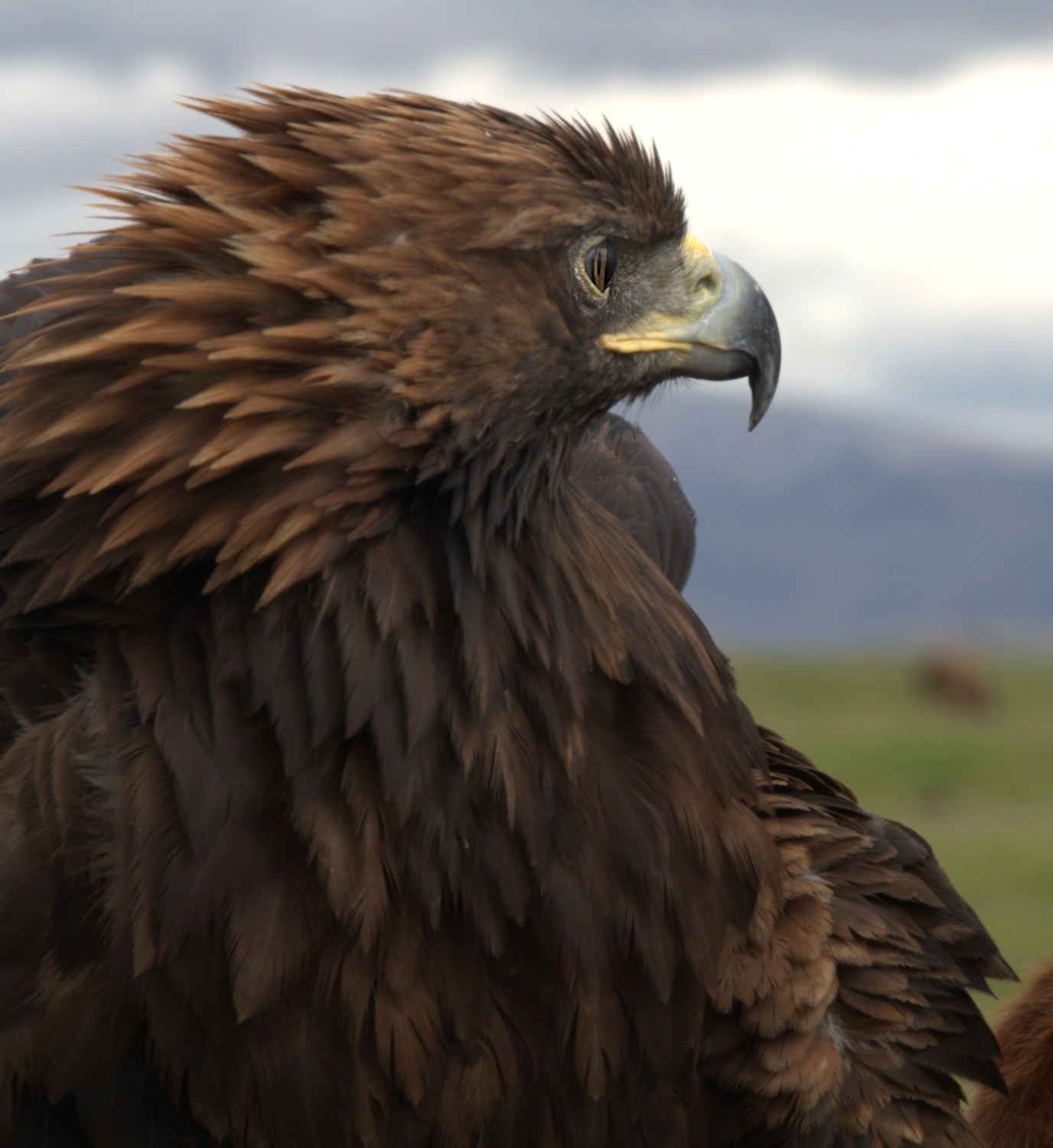
This is it. The eye is the brightest, sharpest point in the frame, and everything else has quietly stepped back.
Sharpness is hierarchy
The eye doesn't need to be sharp. It needs to be the sharpest thing in the frame. A global sharpen throws that away by making everything compete.
Guard the catchlight
The spark of reflected light in the eye is what reads as alive. No catchlight, no life — protect it, lift it, never blur past it.
Quiet the rest
Making the eye win is half lifting it and half calming everything around it. The loudest frame is rarely the strongest.
Sharpen the eye, not the bird.
Tap to sharpen the whole frame at once — and watch the eye lose.
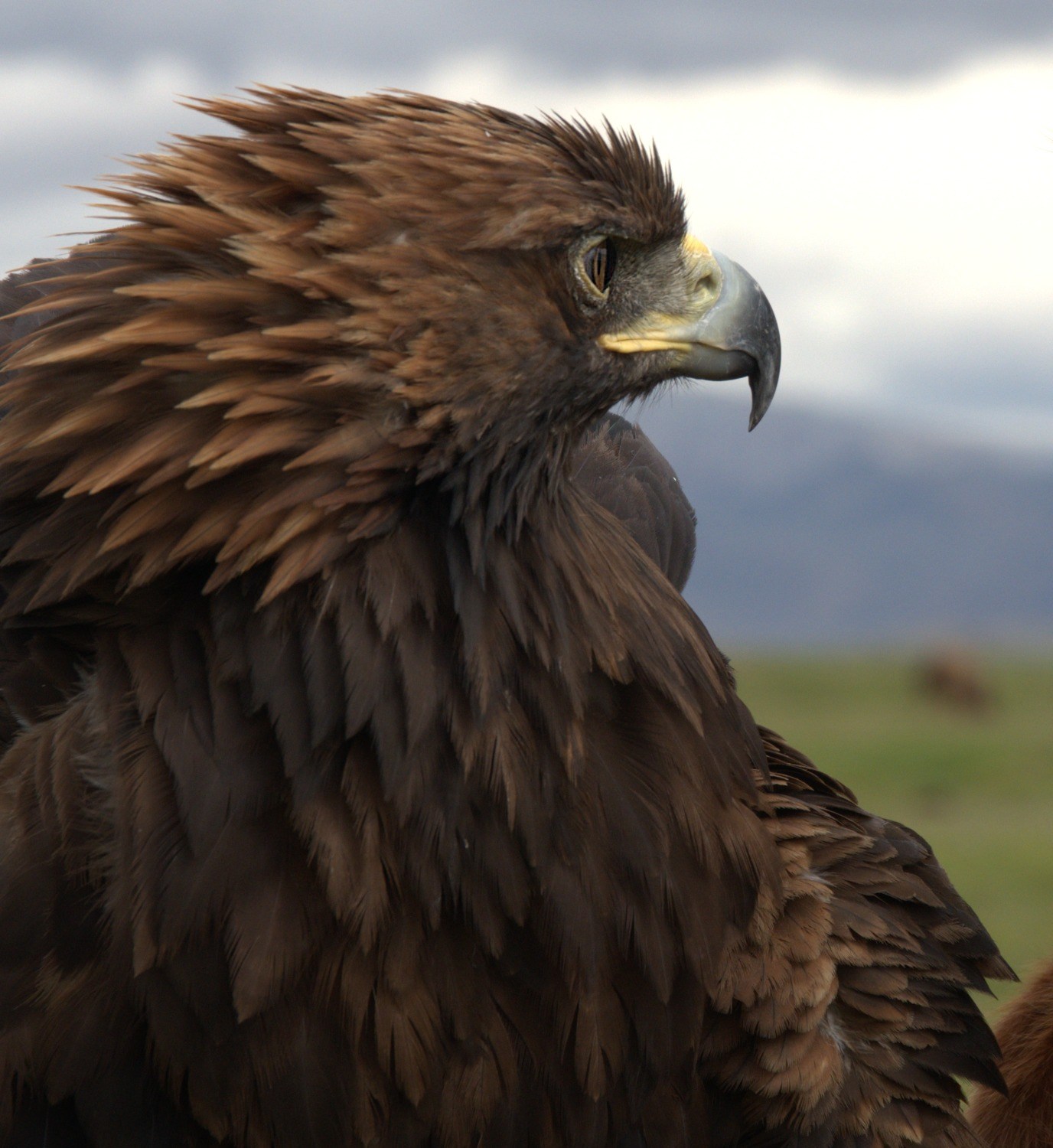
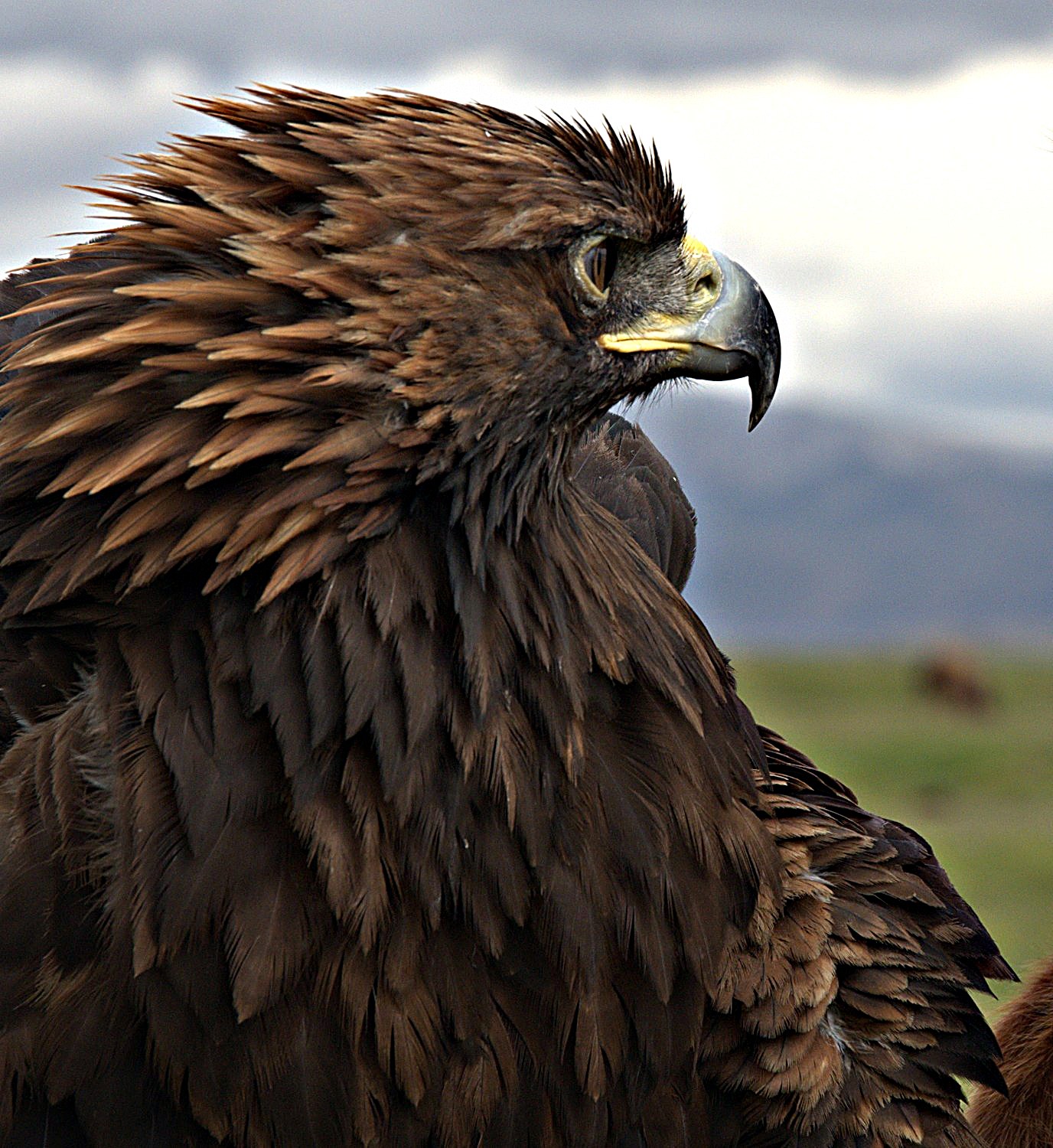
"A global sharpen doesn't make the eye stronger. It gives the eye competition."
Read the eye.
Tap each mark.
Work the eye alone.
- Open a portrait where the eye is in focus but the frame still feels flat.
- Turn off global sharpening. Mask a little sharpness and light onto the eye alone.
- Lift the catchlight a touch; soften or darken whatever competes with it.
- Export both. The one where the eye finds you first is the keeper.
If the frame suddenly felt calmer and the bird looked more awake — that was hierarchy, not sharpness.