Learn the craft, in the field.
Practical technique, honest gear advice and destination field guides for wildlife photographers.
Technique that fixes the frame.
Why Your Wildlife Photos Aren't Sharp
Soft wildlife shots almost always fail for one of nine reasons — and only two are the lens. A diagnostic table, plus how to find the cause in your own frame.
Read the field note →CompositionWhy Your Wildlife Photo Feels Flat
A technically perfect wildlife photo can still be a six. Flatness is almost never exposure — it is the frame. Seven fixes, and how to find the one holding your image back.
Read the field note →SharpnessBirds in Flight: The Settings, and Why Yours Are Soft
The exact shutter, aperture, ISO and autofocus for birds in flight — and the two reasons your keeper rate is low. A settings table, plus how to fix a soft file.
Read the field note →CompositionA Clean Background: How to Blur It, How to Fix a Messy One
Background blur comes from four levers — aperture, focal length, subject-to-background distance, and your angle. The one most photographers forget is angle. Plus how to fix a cluttered frame.
Read the field note →CompositionEye-Level Portraits and the Living Eye
The two moves that separate a specimen from a portrait: shooting at the animal's eye level, and waiting for a catchlight. Why a dead eye flattens a frame, and how to fix it.
Read the field note →SharpnessPanning Wildlife, and Why Yours Come Out Soft
How to pan a moving animal for a sharp subject against a blurred background — the shutter speeds, the technique, and the two reasons your panning shots come out soft all over.
Read the field note →Decisions, not shopping lists.
Camera Settings for a Tiger Safari
The starting settings for photographing tigers in India — shutter, aperture, ISO, autofocus and metering for low dawn light, dust, and a moving vehicle. Plus how to tune them to your body.
Read the field note →GearThe Best Lens for a First African Safari
For most first safaris, one versatile telephoto in the 100-500 / 200-600 / 180-600 class covers it, and a 150-600 does it on a budget. How to choose by reach, weight and money.
Read the field note →Sharpness1.4× vs 2× Teleconverter for Wildlife
A 1.4x costs one stop and a little sharpness; a 2x costs two stops, visible softness and slower autofocus. For most wildlife, buy the 1.4x first — plus when a 2x actually works.
Read the field note →SharpnessBack-Button Focus & Animal-Eye AF, by Camera
Back-button focus separates focus from the shutter so you focus once and hold. How to set it up, with animal and bird eye AF, on the Nikon Z8/Z9, Canon R5 II/R7, Sony A1/A9 III and OM-1.
Read the field note →Know the light before you land.
Masai Mara
When to photograph the Masai Mara — migration and river crossings Jul–Oct, big cats year-round — plus the six shots to come home with, the light, and the gear.
Open field guide →Tanzania · SerengetiSerengeti
Where and when to photograph the Serengeti — calving in the south Jan–Mar, northern crossings Aug–Oct, Seronera cats year-round — with six shots and the gear.
Open field guide →Brazil · PantanalPantanal
The best season for Pantanal jaguars is the July–October dry season, peaking Aug–Sep around Porto Jofre. Six shots from the boat, the light, and the gear to bring.
Open field guide →Namibia · SossusvleiNamibia's Sossusvlei
When to photograph Sossusvlei and Deadvlei — May to September mornings, the first 40 minutes of light — with six shots to make, the light, and the gear to carry.
Open field guide →Two books, one craft.
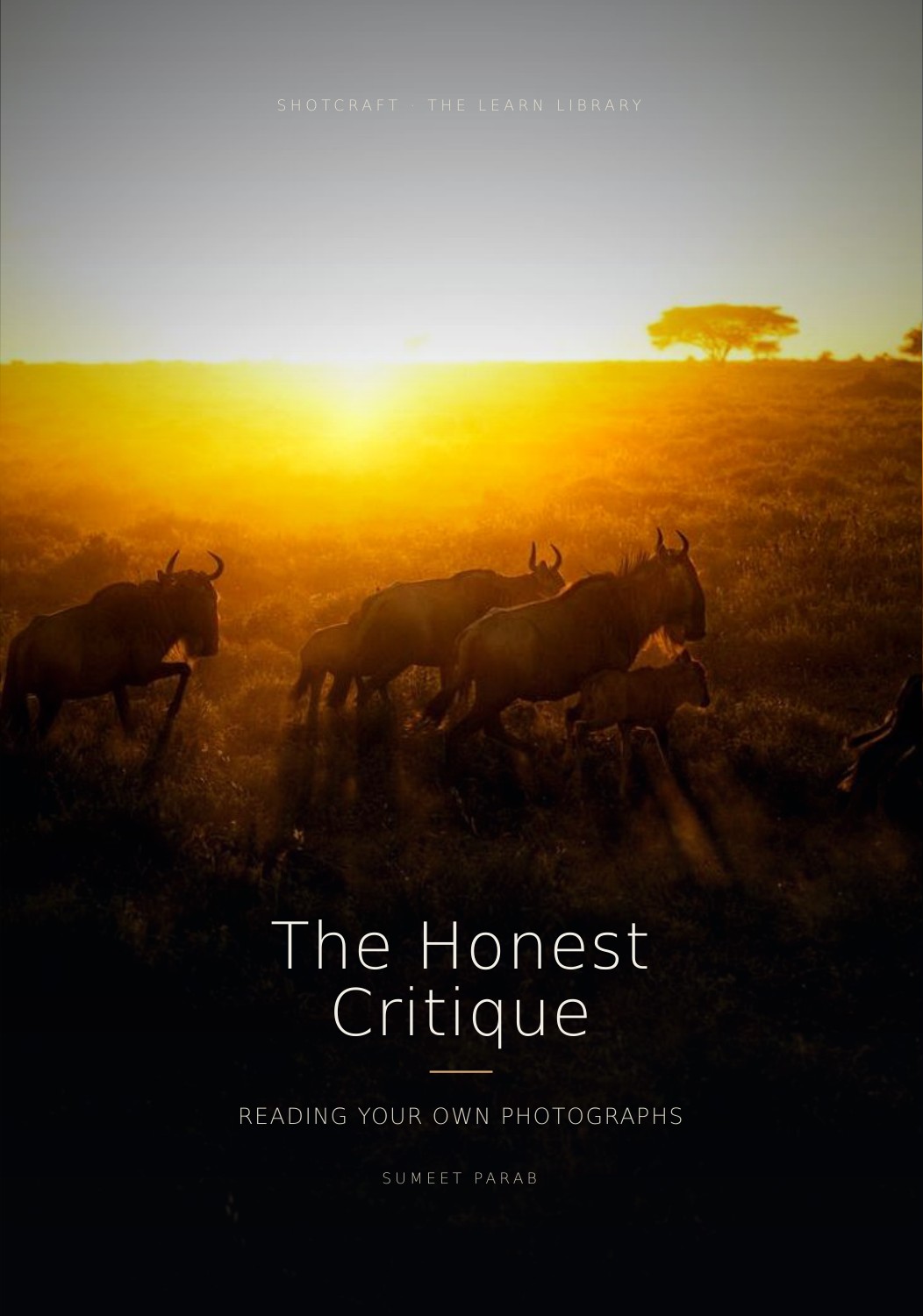 Pro & Premium · 85 pp.The Honest CritiqueReading Your Own PhotographsLearn to read and judge your own photographs the way a picture editor or competition judge does — coldly, at a glance.Read the book →
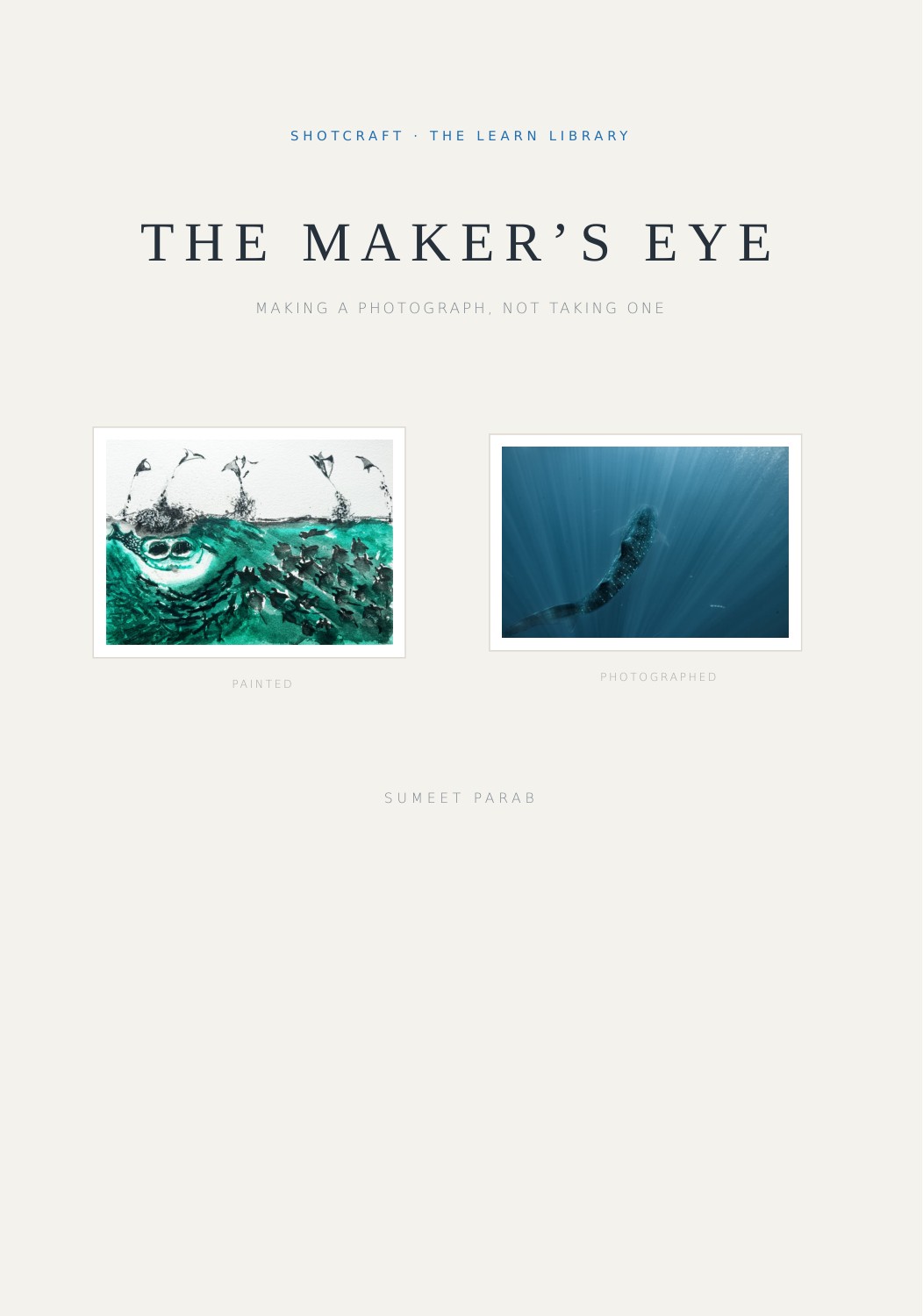 Pro & Premium · 71 pp.The Maker's EyeMaking a Photograph, Not Taking OneThe companion volume: the craft of making a photograph, not merely taking one — a painter's-eye approach to building an image.Read the book →