That clean burst of rays isn't a lens flaw or a lucky flare. It's two decisions — a small aperture, and a sun that's mostly hidden.
Point a wide-open lens at the sun and you get a soft, shapeless blob of light. Stop the aperture down and tuck the sun behind a hard edge — a horizon, a tree, an elephant's trunk — and it snaps into a star, with a clean point for every blade in your lens.
Stopped down, or wide open.
Tap to open the aperture back up.
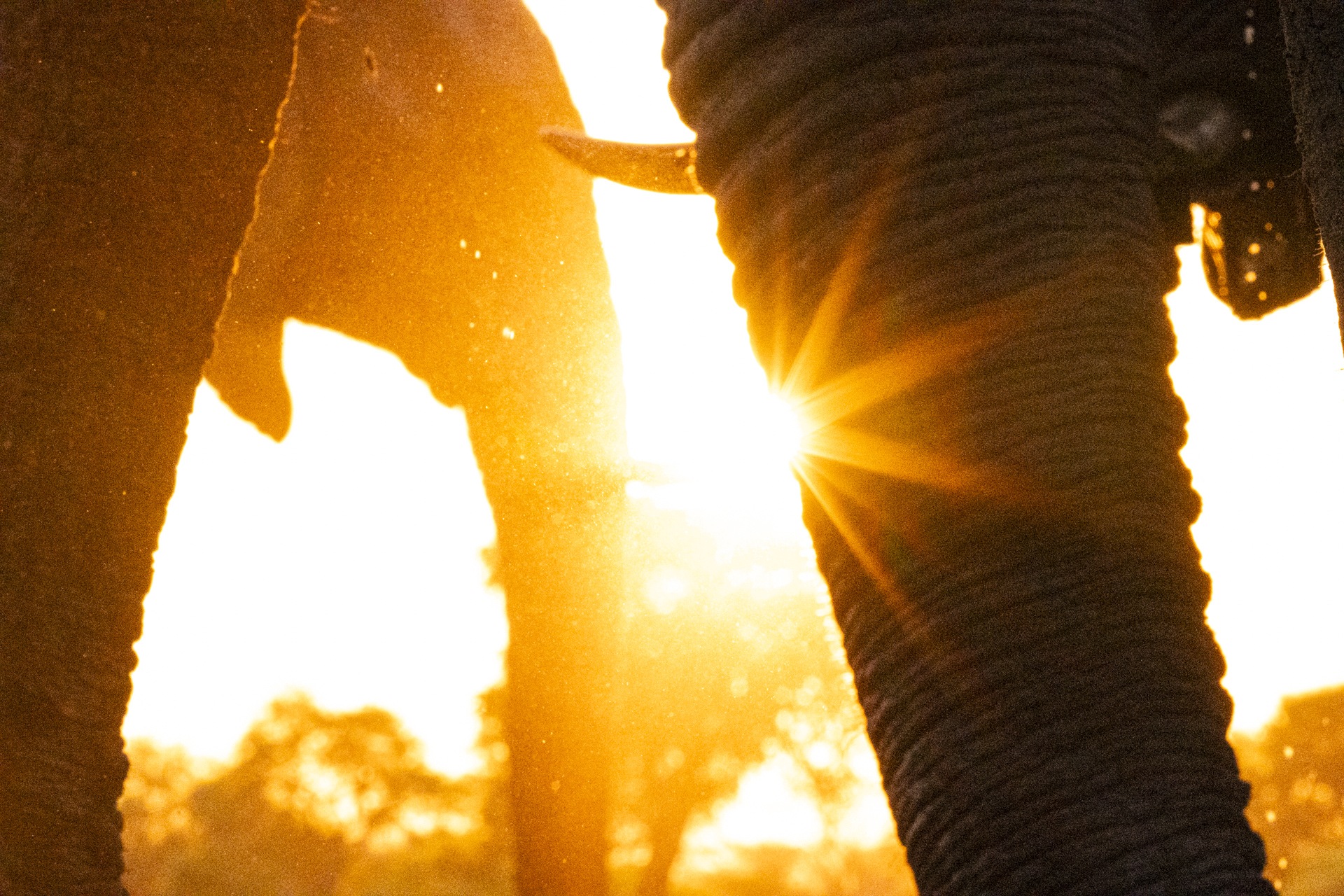
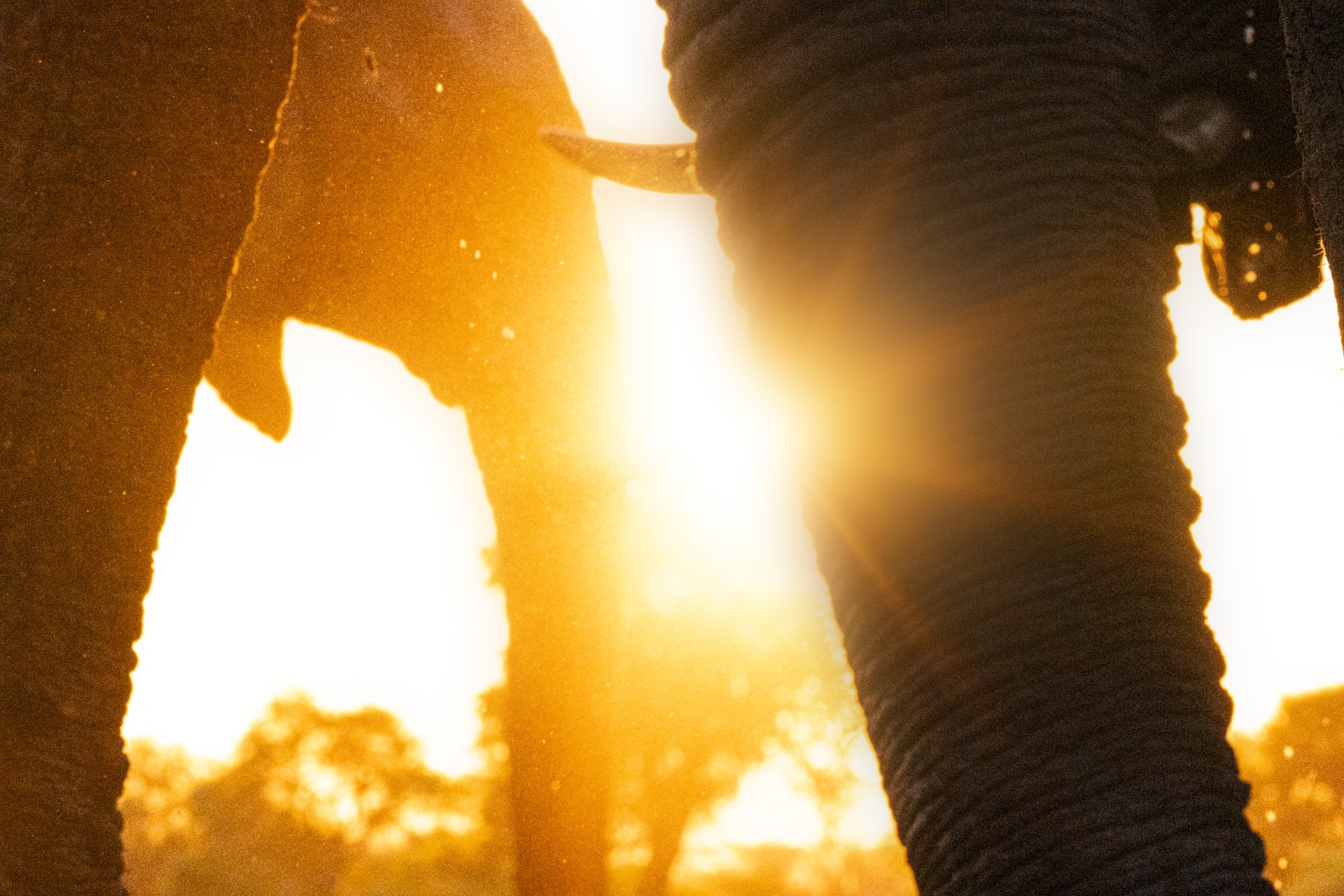
Same sun, same second. Wide open, the light spills into a formless glow — pretty, but nothing to hold. Stopped right down, the same sun contracts to a hard point and throws out rays. The star is made in the aperture, not found in the sky — and hiding most of it behind that trunk makes the few rays that escape the cleanest of all.
"A wide aperture gives you light. A narrow one gives you a star."
Three things making the star.
Tap each mark.
Small hole, hidden sun.
Two dials and a little positioning.
- Stop the aperture down — f/16 to f/22. The narrower the hole, the crisper the star.
- Hide most of the sun behind a hard edge: a horizon, a ridge, a trunk, a leaf. Let just a sliver peek.
- Expose for the bright light, and let your subject fall to silhouette.
- Compose in live view, never through the finder — and never stare at the sun.
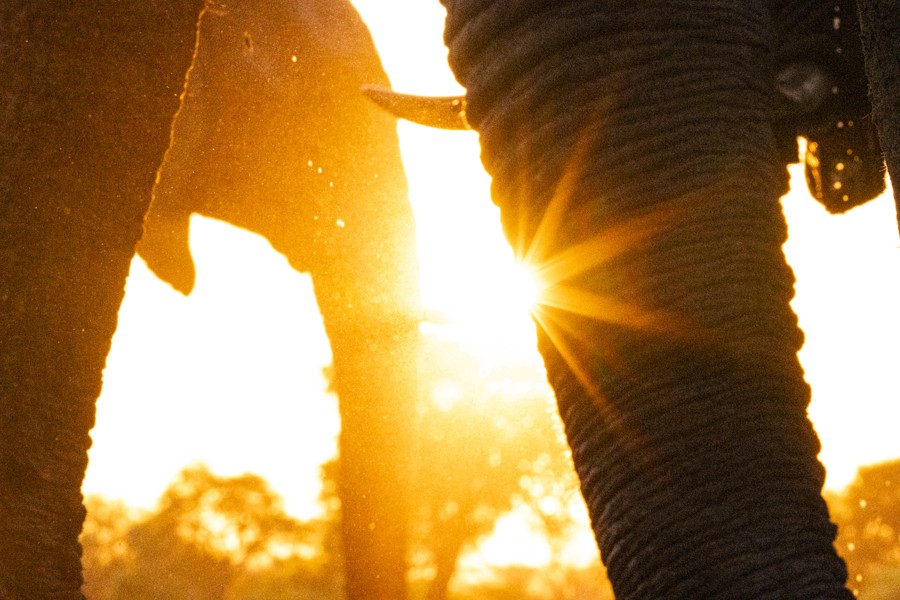
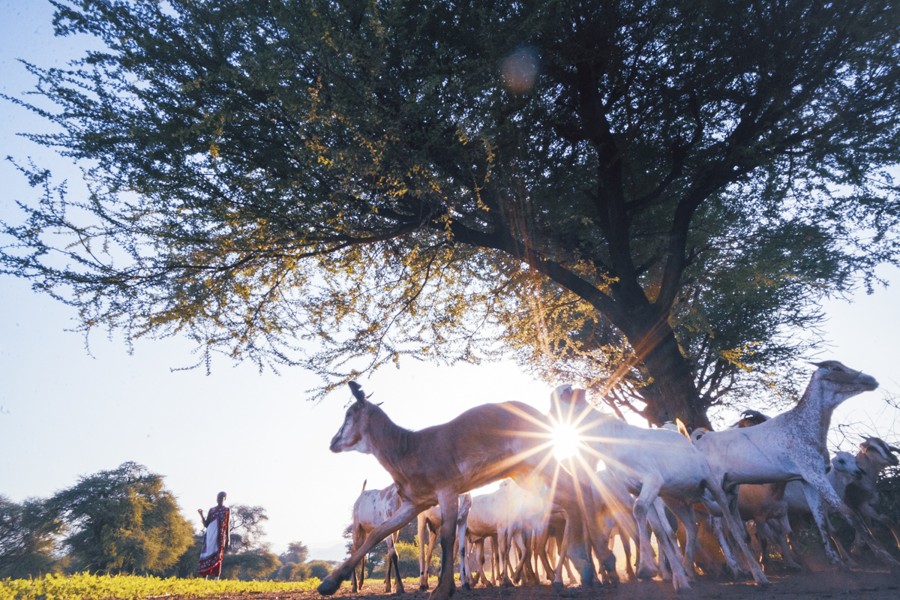
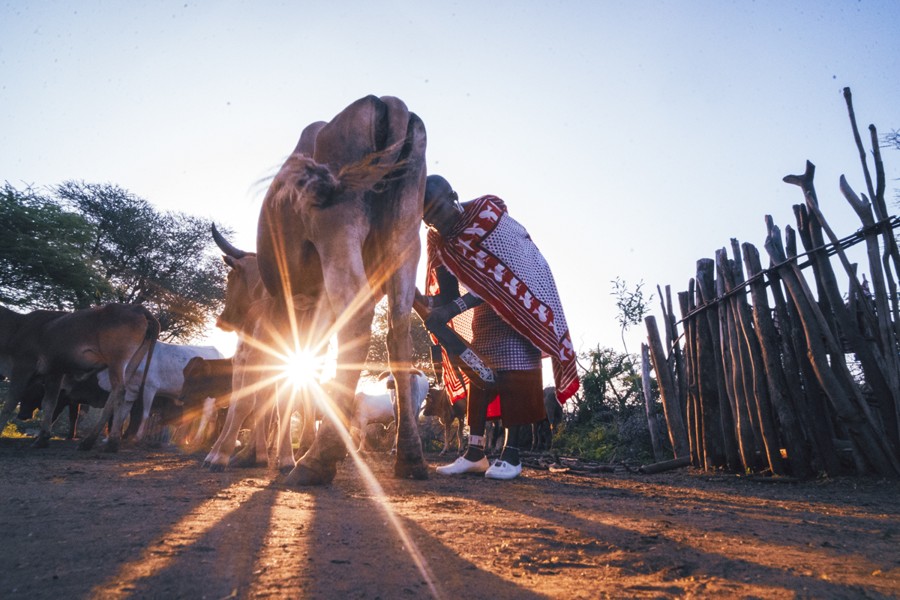
Chase a hidden sun.
- Wait for the sun low — near a horizon, a trunk, a ridge, the edge of a leaf.
- Stop down to f/16 or smaller, and move so an edge covers most of the sun.
- Expose for the light; let the rest go dark.
- Nudge a few centimetres either way — the star sharpens and softens as the sun's edge appears and hides.
If a tiny move turned a glow into a star — that was the aperture and the edge, not luck.