Expose for the look.
The strongest editing decision in this photograph was made before the shutter — in how it was exposed.
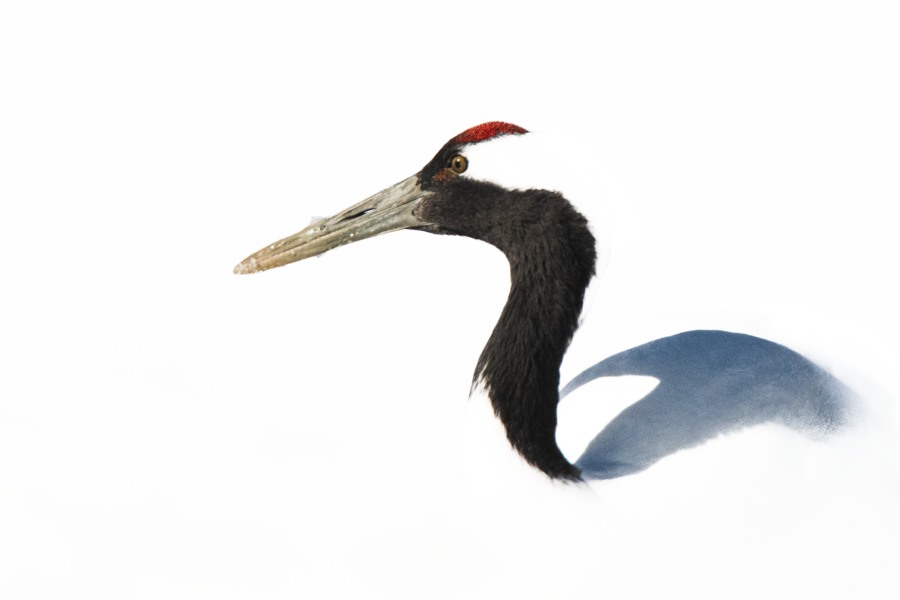
Meter a snowfield the way the camera wants, and you get grey, with a crane that's just another detail standing in it. Overexpose on purpose — let the snow blow to white paper — and the same bird collapses into a single mark. That white isn't a mistake to recover later. It's the whole idea, and it can only be decided in the field.
One frame, five exposures.
Same capture. Only the exposure decision moves.
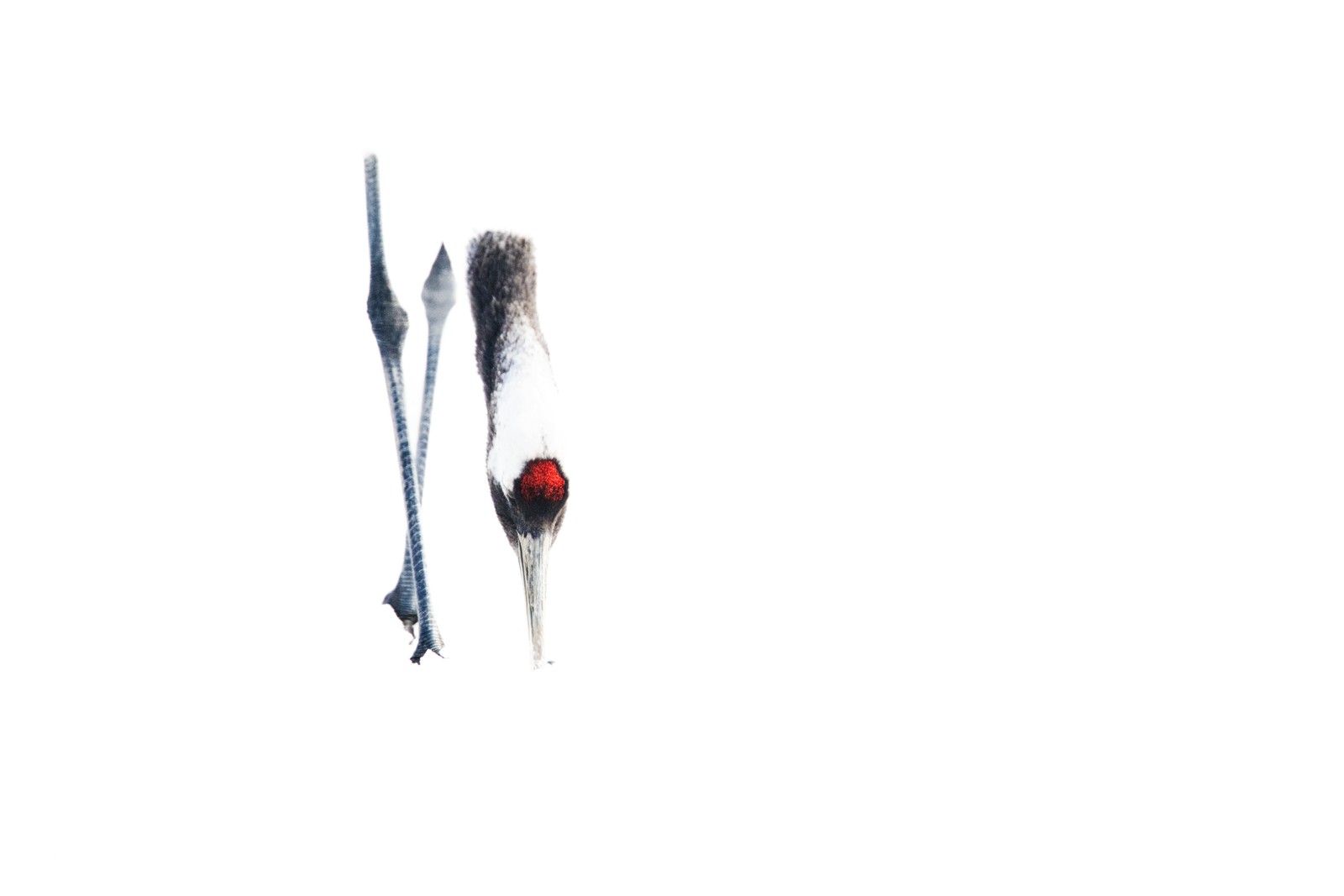
This is it. The snow is white paper, the crane is one calligraphic mark, and a single red dot owns the frame.
Meter for the look, not the grey
Your camera wants everything to average to mid-grey. For snow, sky or sand that's wrong — decide the tone you want and expose for it, even when the meter protests.
White is a subject
Empty white isn't wasted or blown. Given on purpose, it's the space that lets one mark mean everything.
Get it at the shutter
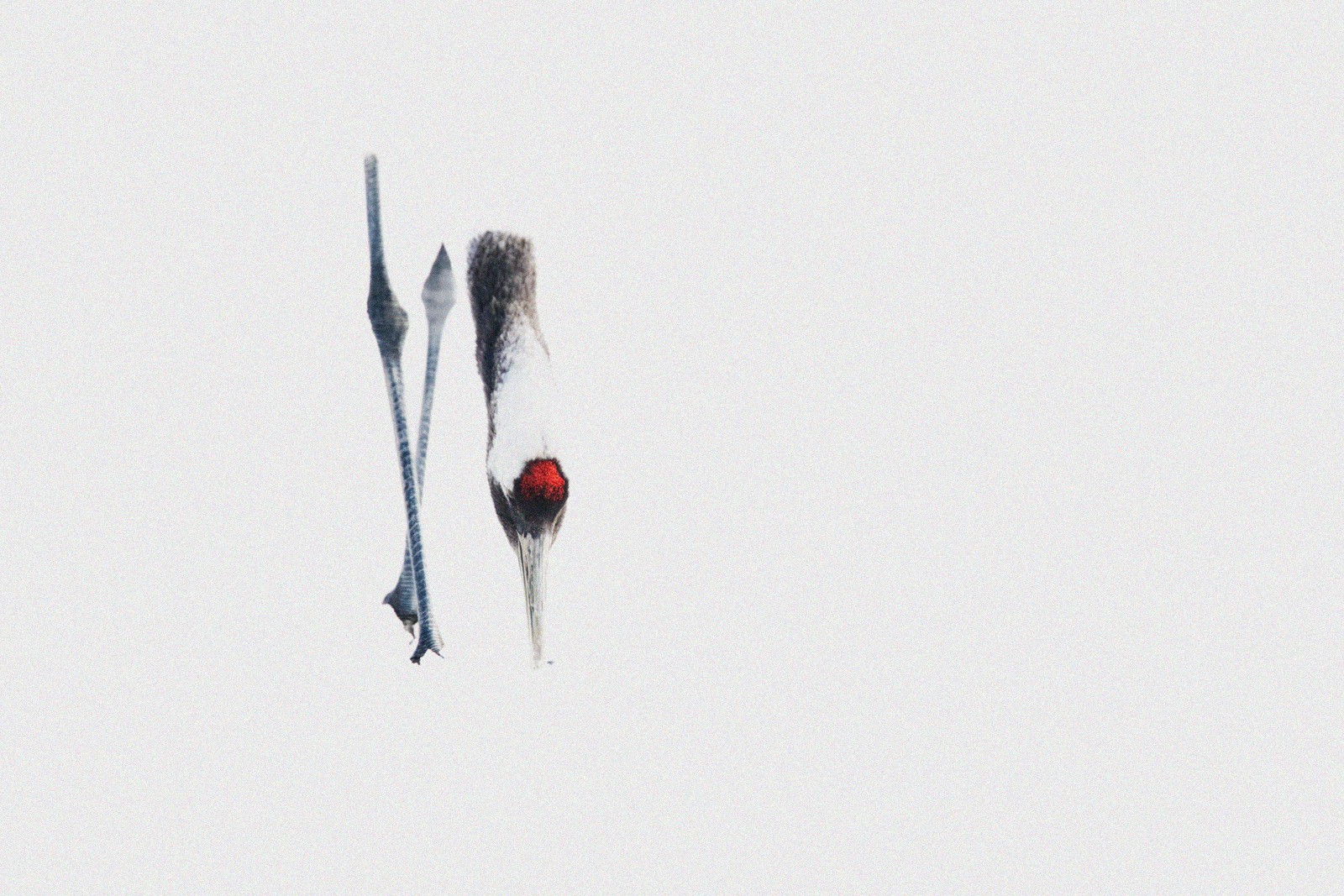
Clean high-key is a capture decision. Lift a safe exposure to fake it and the whites come up grey and noisy — the look was gone the moment you metered for grey.
In camera, or faked in post.
Tap to lift a safe exposure the way you would at the desk.
"You can brighten a photograph at the desk. You can only decide it in the field."
Read the frame.
Tap each mark.
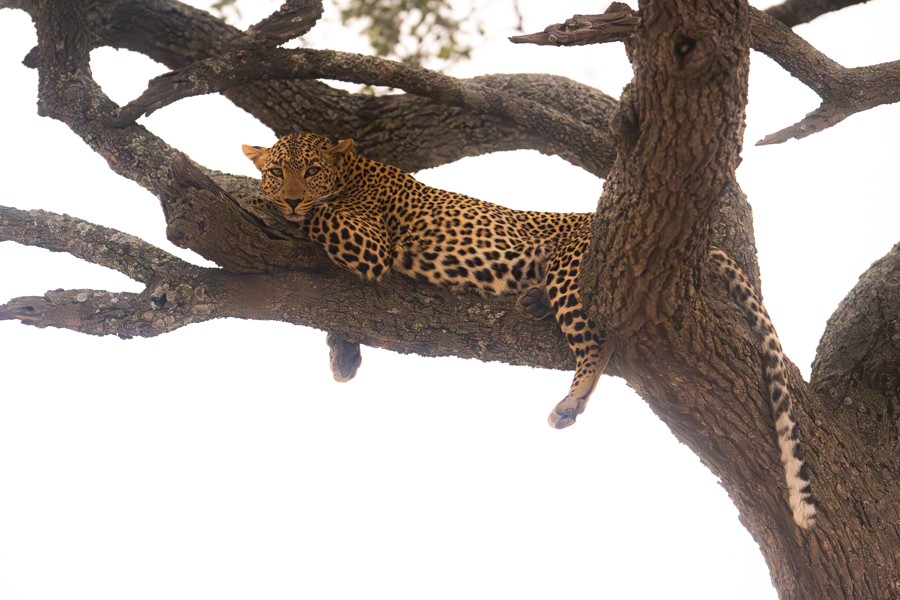
Decide a stop early.
- Before you raise the camera, name the one thing you want seen.
- Ask what will fight it — brightness, clutter, colour — and settle it in the field with exposure, light or position.
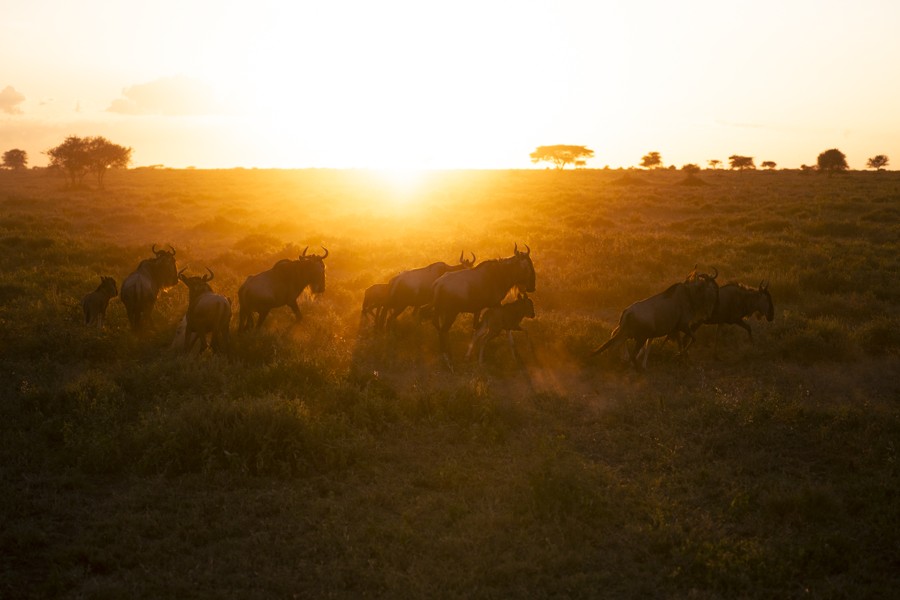
- On snow or bright sky, meter for the look: overexpose for high-key, underexpose for silhouette. Trust it over the meter.
- Get it right there, and the edit is almost nothing.
If the frame needed no rescuing at the desk — that's because you made the decision a stop or two before the shutter.