Field Guide 01 · East Africa

You don't visit the Mara.
You go to make ten photographs.

A photographer's plan for the Maasai Mara & Serengeti — the frames to aim for, the light that makes them, and the questions that get you there.

One of three guides we built by hand.
scroll

Forget the bucket list. You are here for light, behaviour, and the few frames the plains alone can give — a cat rimmed in dawn fire, a hunt read a half-second early, the herds drawn as a line across the green. Come with ten pictures in mind, and leave with the ones the Mara decided to give you.
The maker's reframe
Chase the conditions, not the animals
Every reserve has animals. The Mara and the Serengeti are great because of what the sky does to them. Arrive looking for the condition first — the subject that walks into it is the gift.
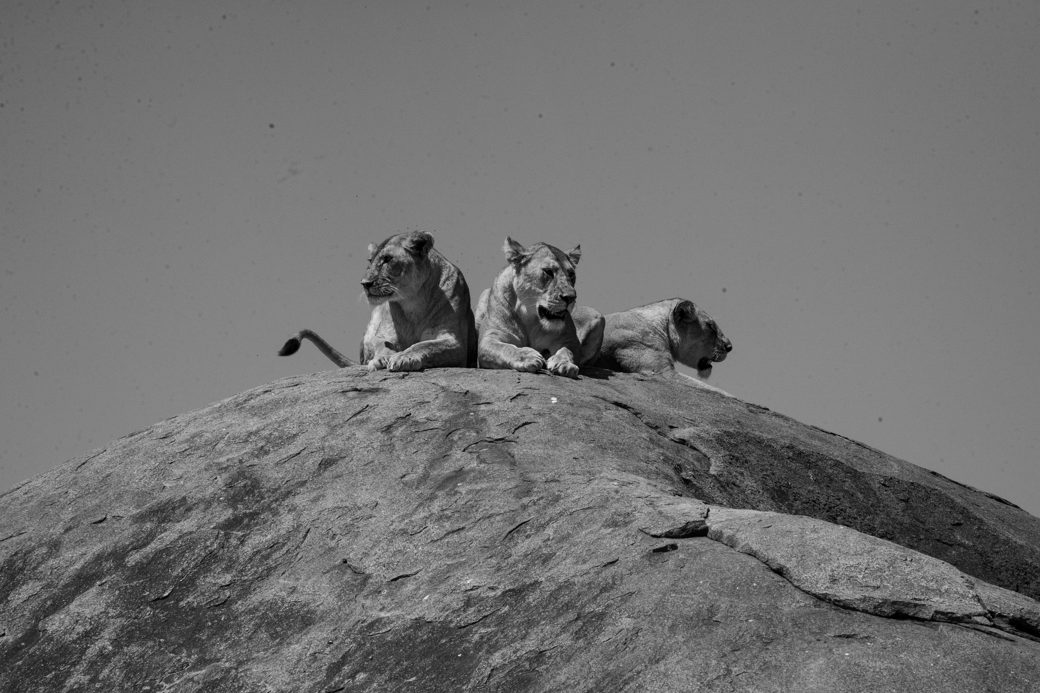
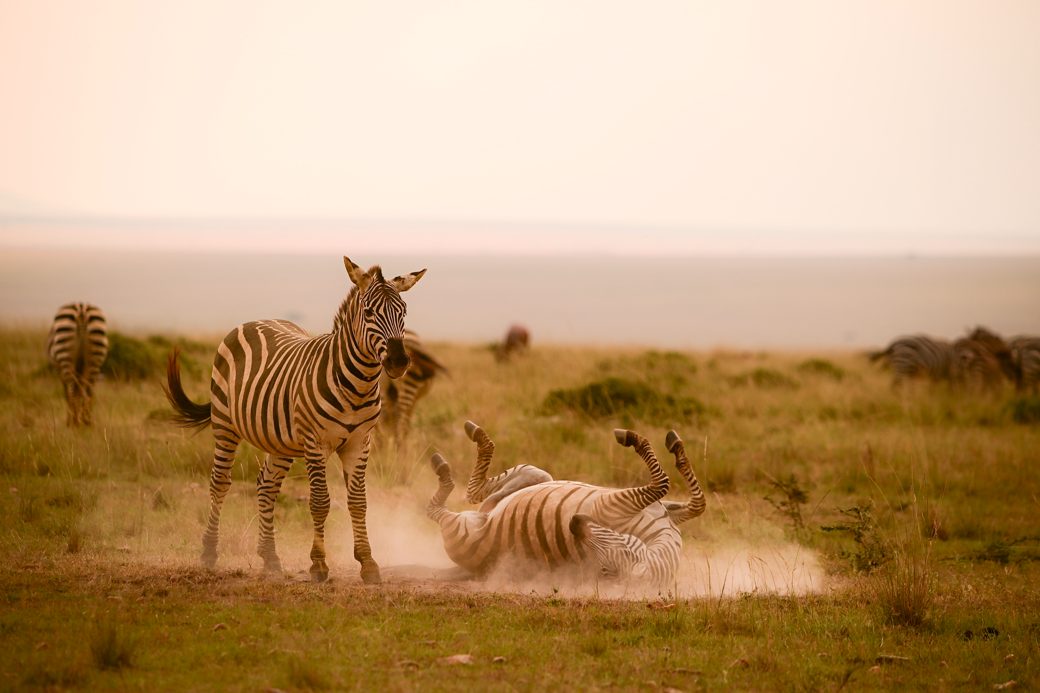
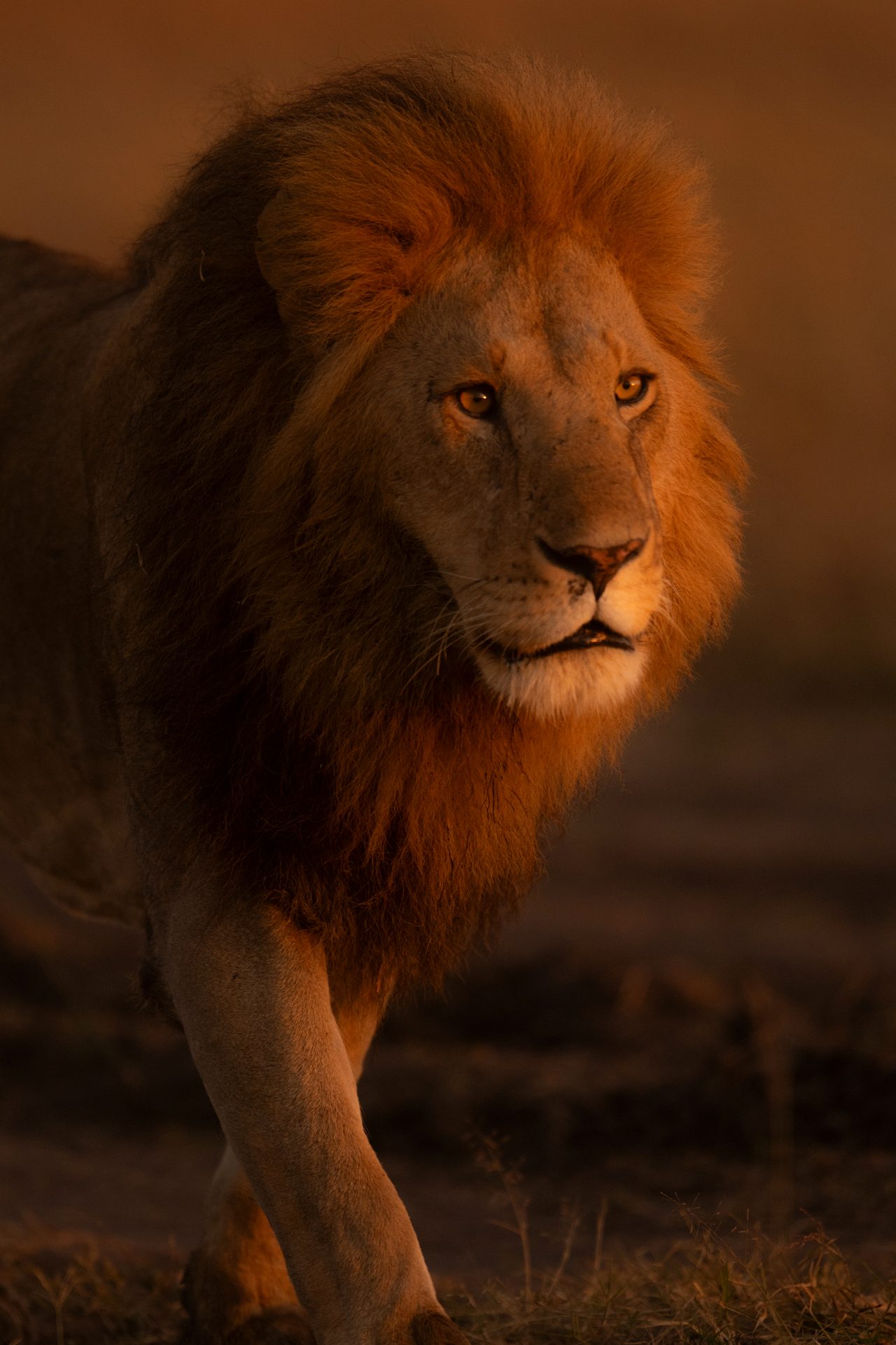
MistRainDustGolden fireSoft lightClear night skiesRock & lone tree
Soft light, hard rock
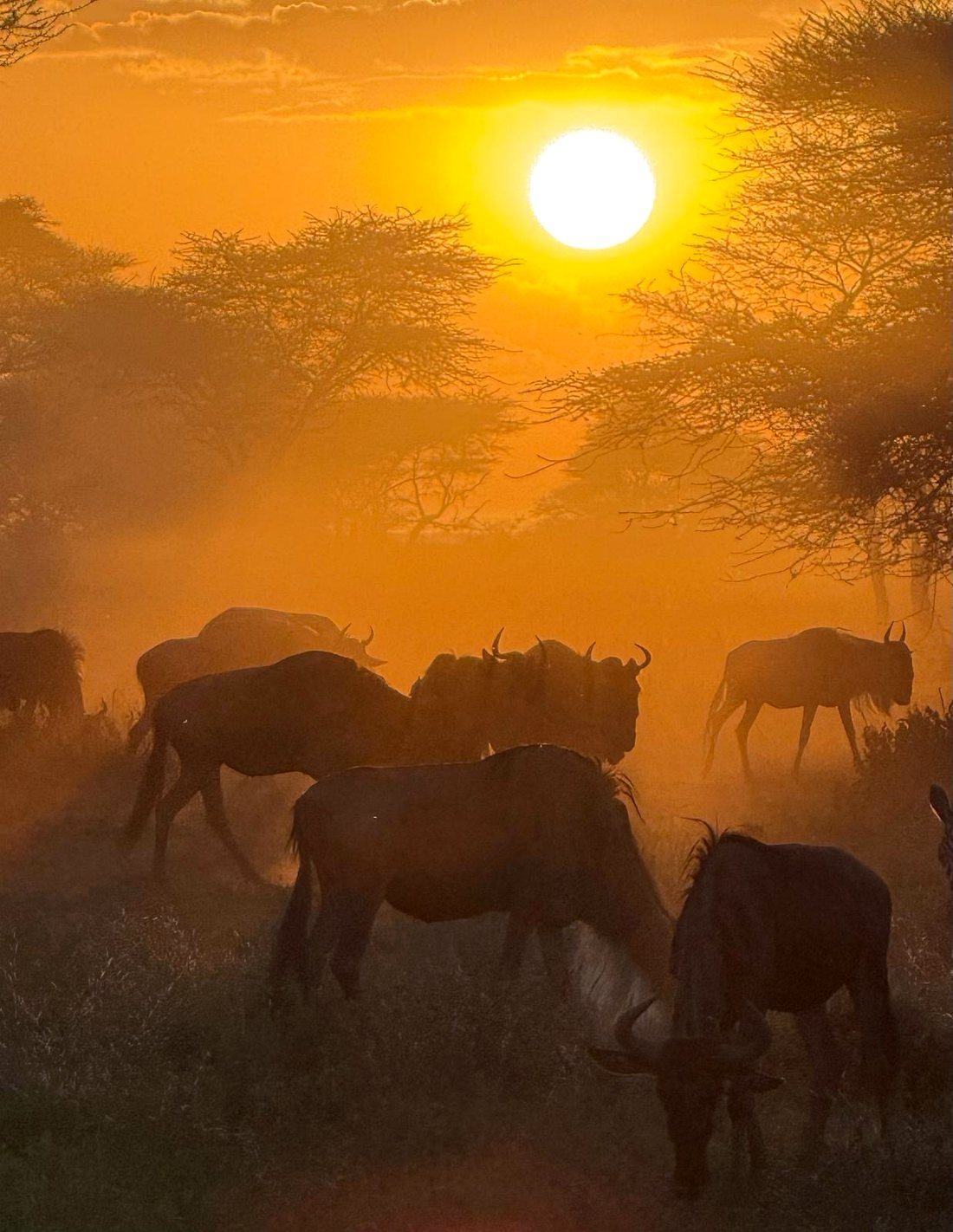
Dust kicked to gold
Dust kicked to gold
Fire in a low sun
Fire in a low sun
Find the condition, and the place rewards you in every month — only the picture changes.
One more thing

This one was made on a phone.

Not a long lens, not a fast body — an iPhone, pointed into the light just before the sun went down. It is the whole argument of this guide in one frame: the gear is not the photograph. Being in the right place, in the right light, with the right condition — that is. Chase the conditions, and even a phone will reward you.

When to go
Good all year — for a different photograph
The wildebeest and zebra move in a great circle, all year round. There is no off-season for a maker; there is only a different picture each month.
Jan
Feb
Mar
Apr
May
Jun
Jul
Aug
Sep
Oct
Nov
Dec
Calving · Ndutu / SerengetiCrossings · Mara River

Ndutu & southern Serengeti · Dec–Mar

The calving plains. A thousand births a day on the short green grass — and with them the most concentrated hunting action anywhere on earth: cheetah, lion, and hyena, in the open. These photographs were made here.

The Mara River · Jul–Oct

The crossings. The herds pile against the banks and plunge, crocodiles waiting below — the migration at its most dramatic. A different trip, a different plan; tell the planner and it builds you that one.
And every new moon, in any month, the plains hold a black, clean sky for the stars.
The heart of it
Ten Shots to Aim For
Not a wish list — a working one. Ten specific frames, each with the light it needs and the way to make it. Tick them off as you go.
01
First light
The Sunrise Shot
First light
Be in your seat before the sun. The first warm rays rake low across the plain, and a lion lifts its head into light you will not get again all day.
Eye level · long prime · warm side-light · be there first
02
The leopard's tree
The High-Key Shot
The leopard's tree
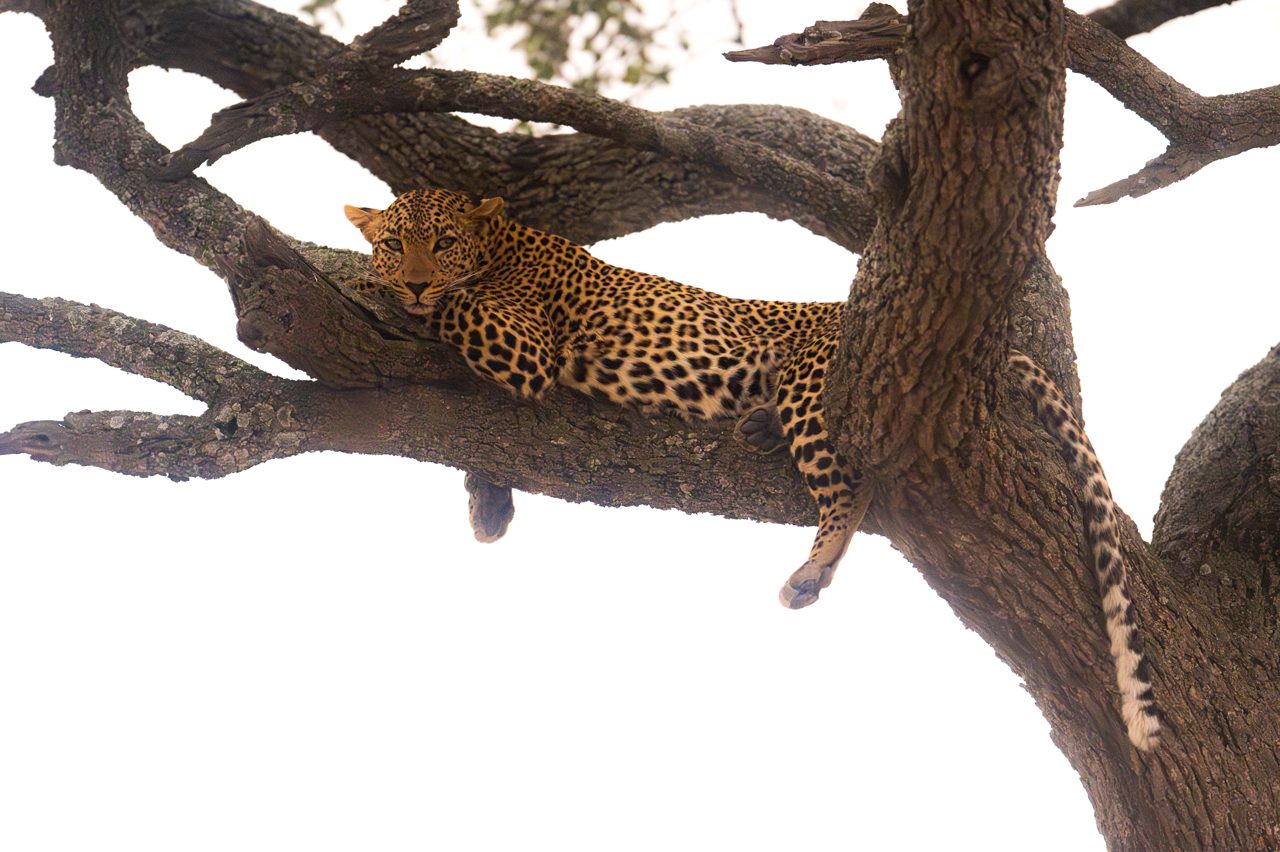
High key, on purpose — a leopard draped along a bare branch against a white sky. Expose for the bright and let the cat become a clean, graphic shape.
High key · +1.3 EV · let the sky go white
03
The migration
The Signature Shot
The migration
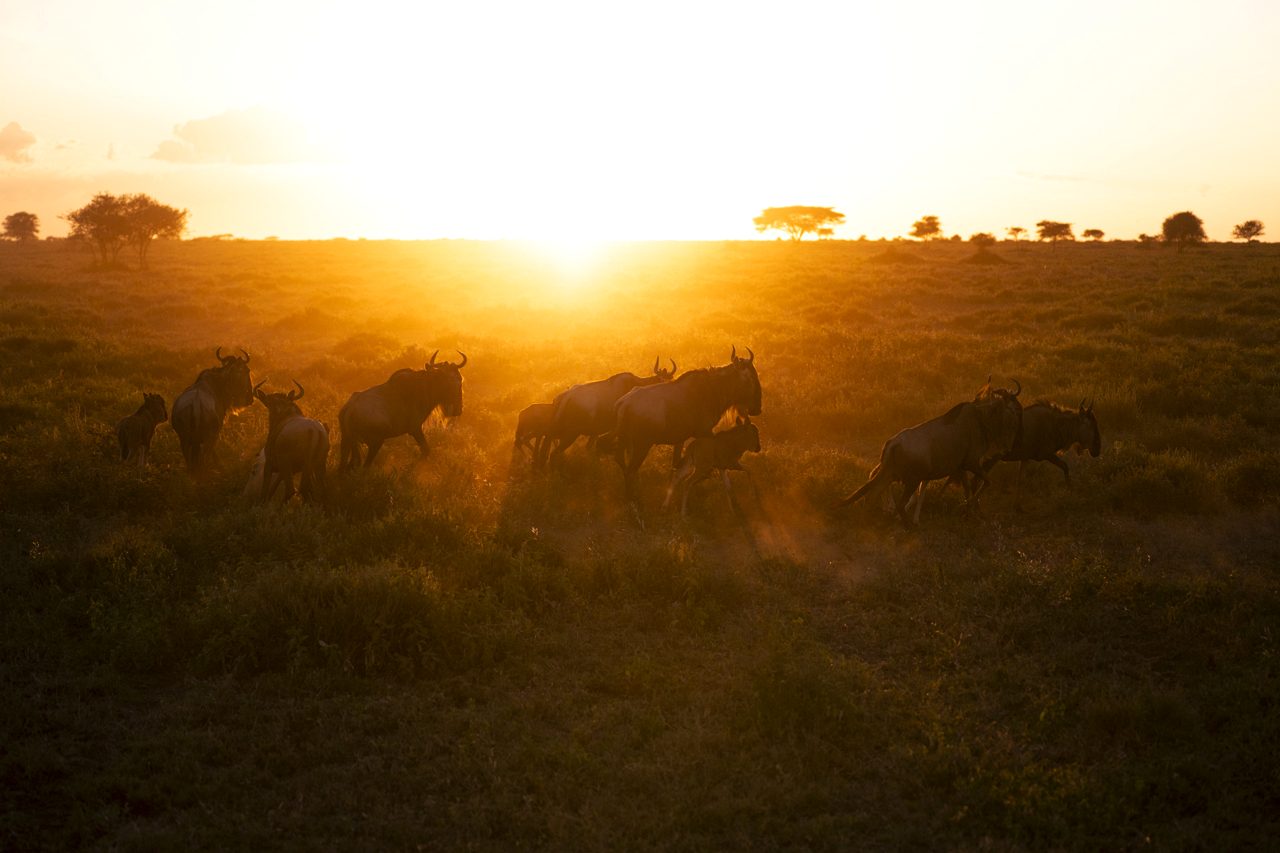
The reason the world comes here — a river of wildebeest pouring across the plain into the rising light, the dust and the herd turned to one moving body of gold.
Backlight the dust · low angle · shutter for the line
04
The hunt
The Adventure Shot
The hunt
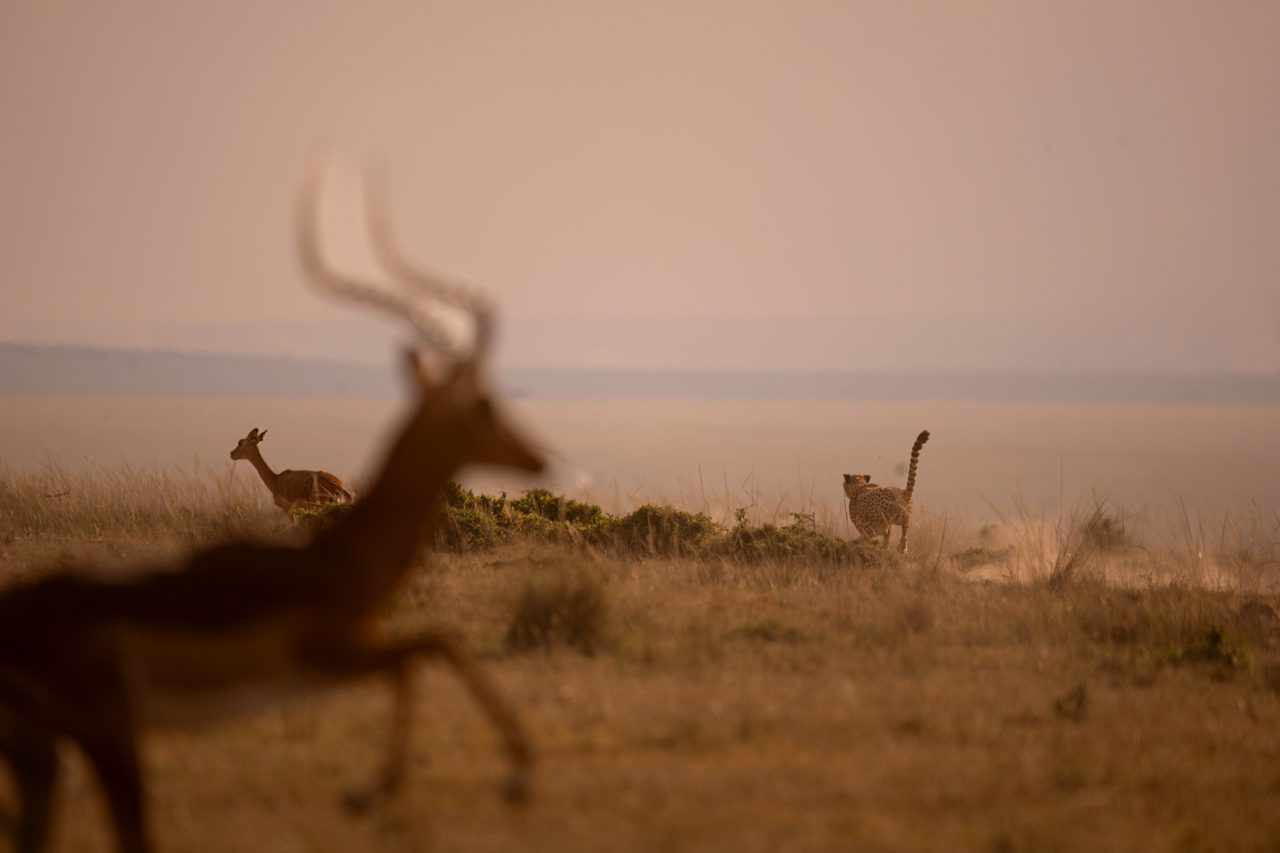
Read the body before it breaks. The shutter is already moving when the chase begins — you cannot react fast enough to start late.
1/2500s+ · continuous AF · anticipate, never react
05
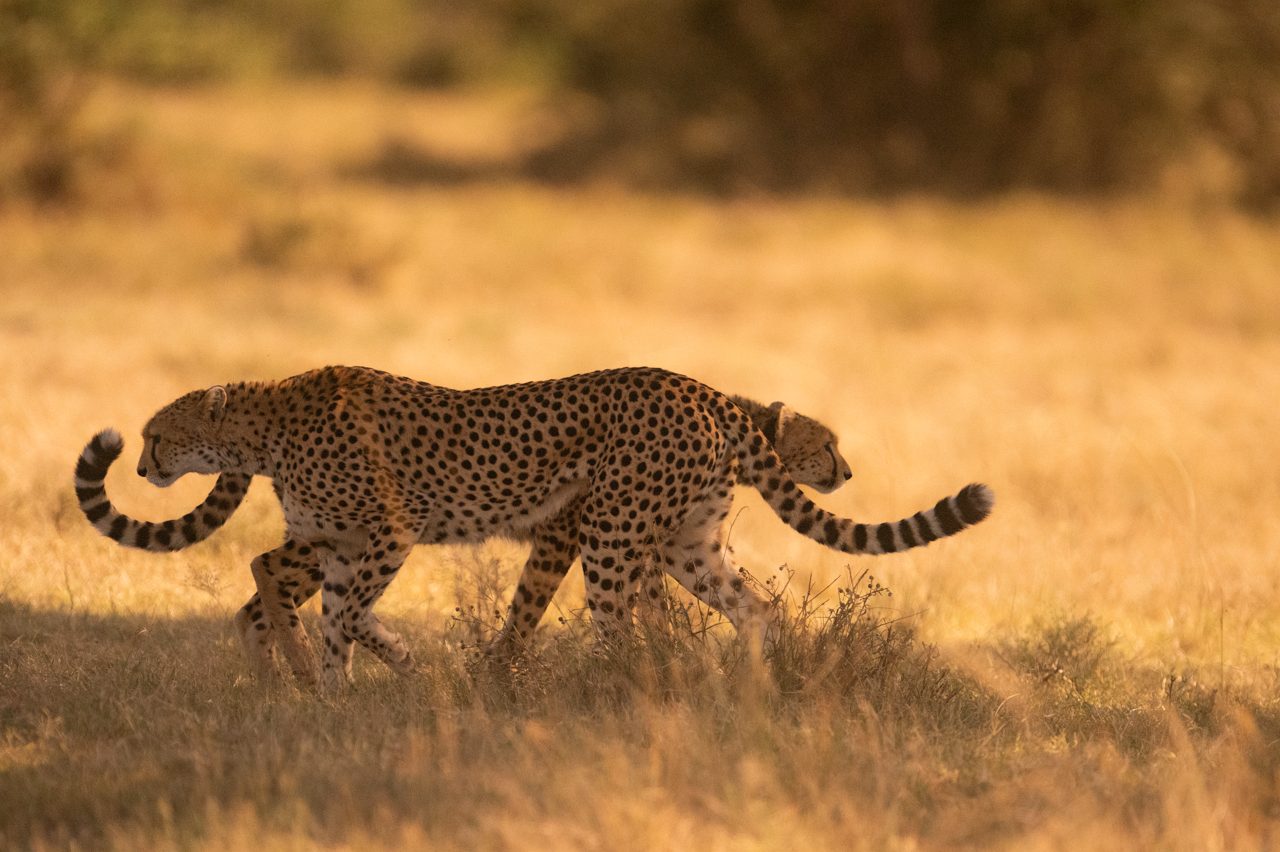
The cheetah's line
The Habitat Shot
The cheetah's line
A cat on the move through its own country. Let the grass go soft and wide, keep the eye sharp, and place the animal in the world it owns.
Long lens · low angle · soft foreground · hold the eye
06
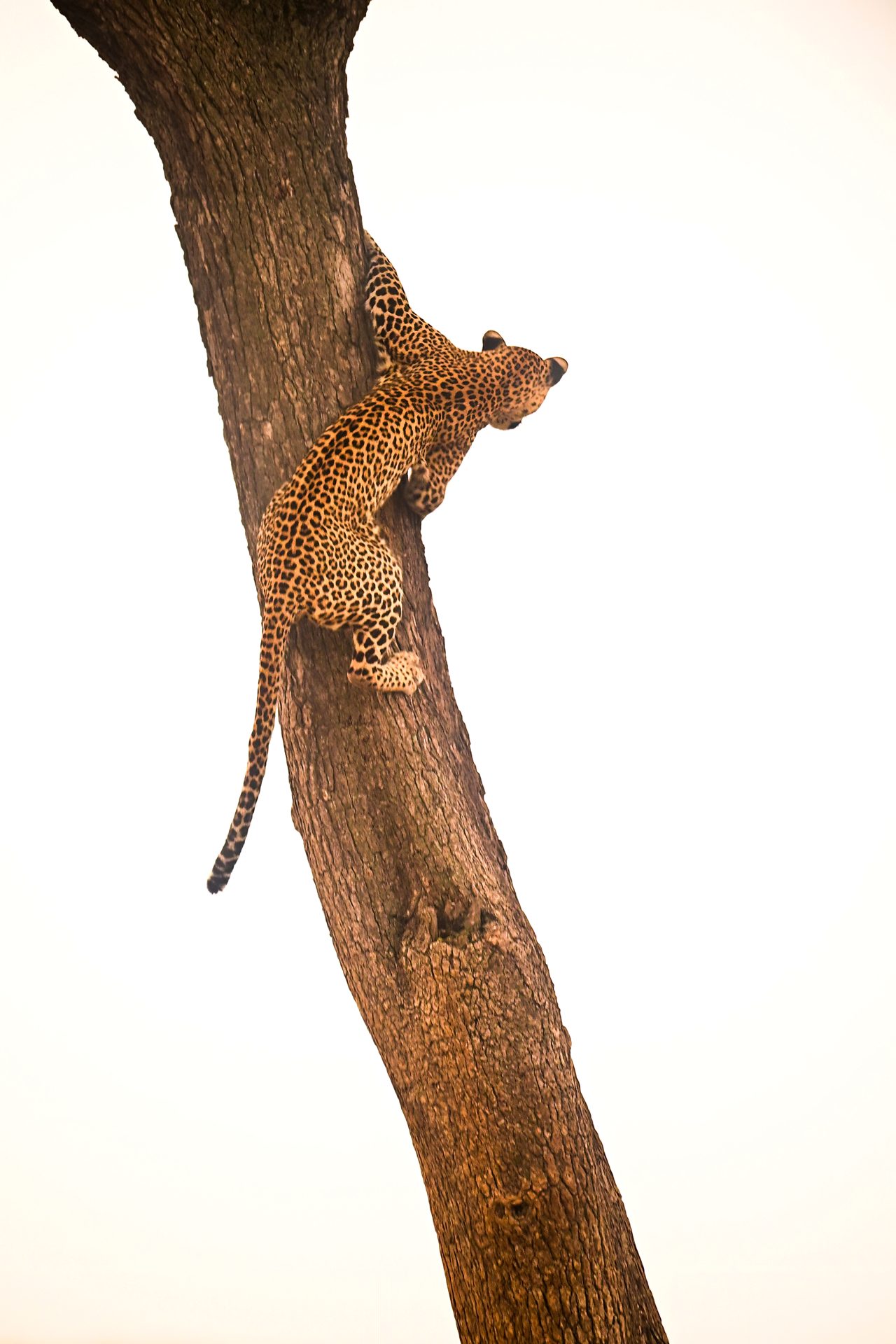
Down from the tree
The Creative/Vision Shot
Down from the tree
Head-first down a bare trunk into high white light — the most cat-like descent in the wild, made graphic by the empty sky.
High key · vertical line · time the descent
07
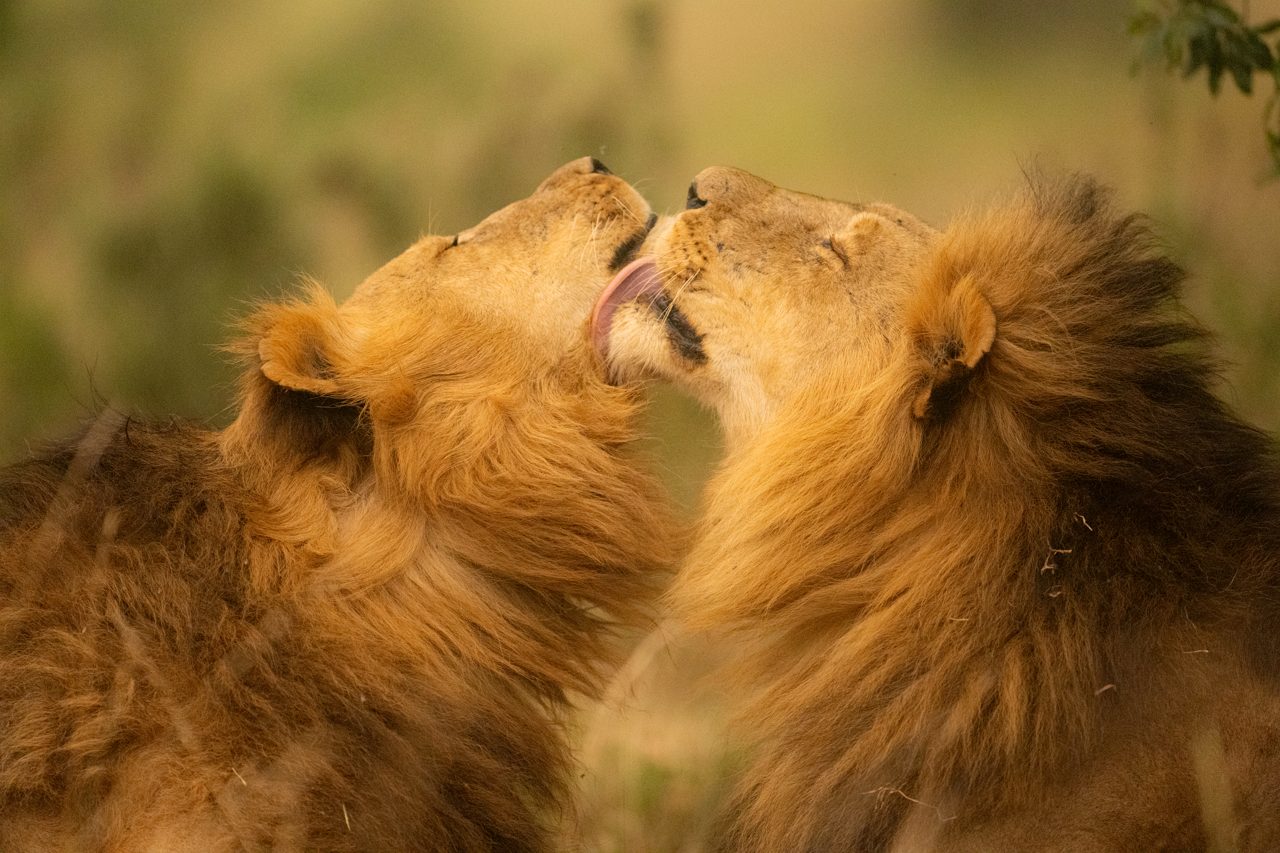
The tender beat
The Mr & Mrs Shot
The tender beat
The greeting, the grooming, the gesture between a pair. Behaviour is the photograph; the portrait is only where you start.
Watch for the beat · long lens · soft warm light
08
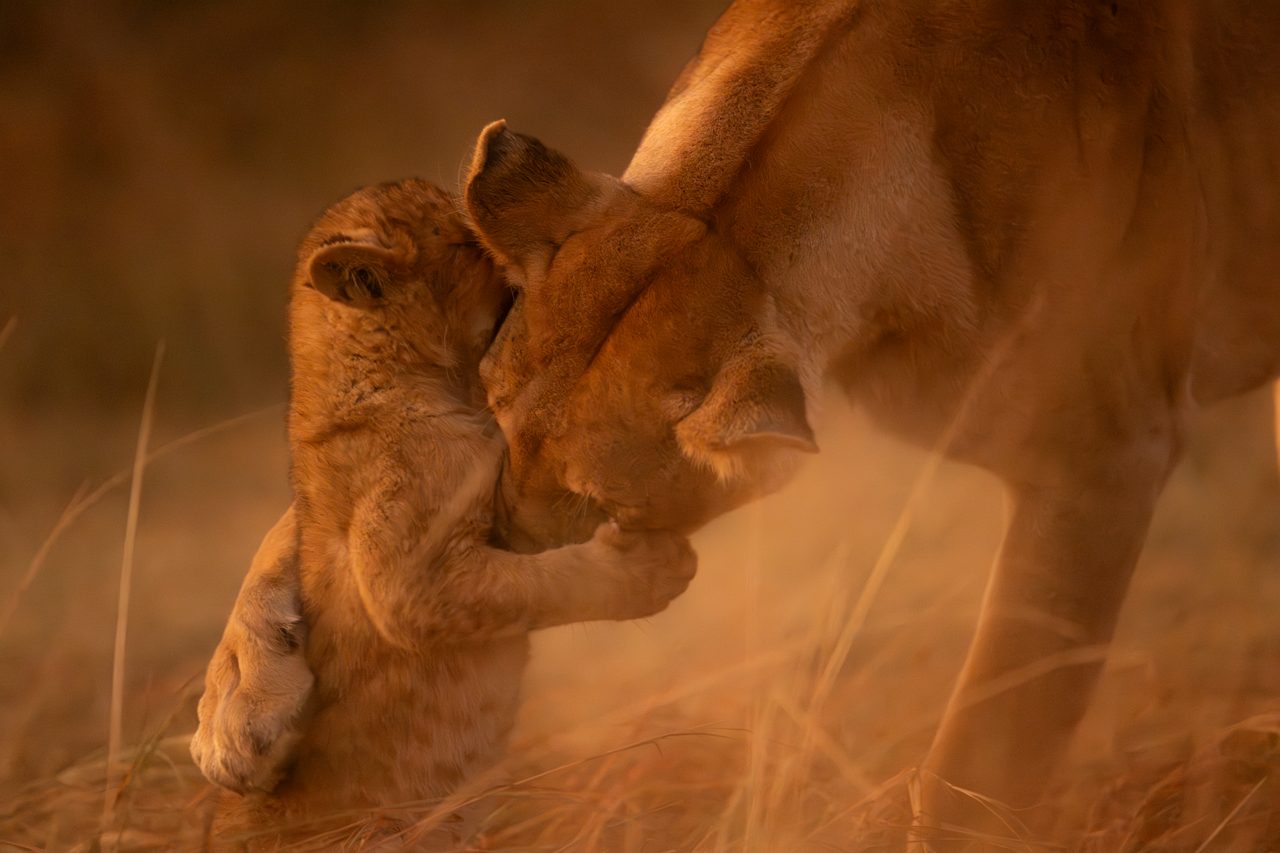
Cubs of the season
The Family Shot
Cubs of the season
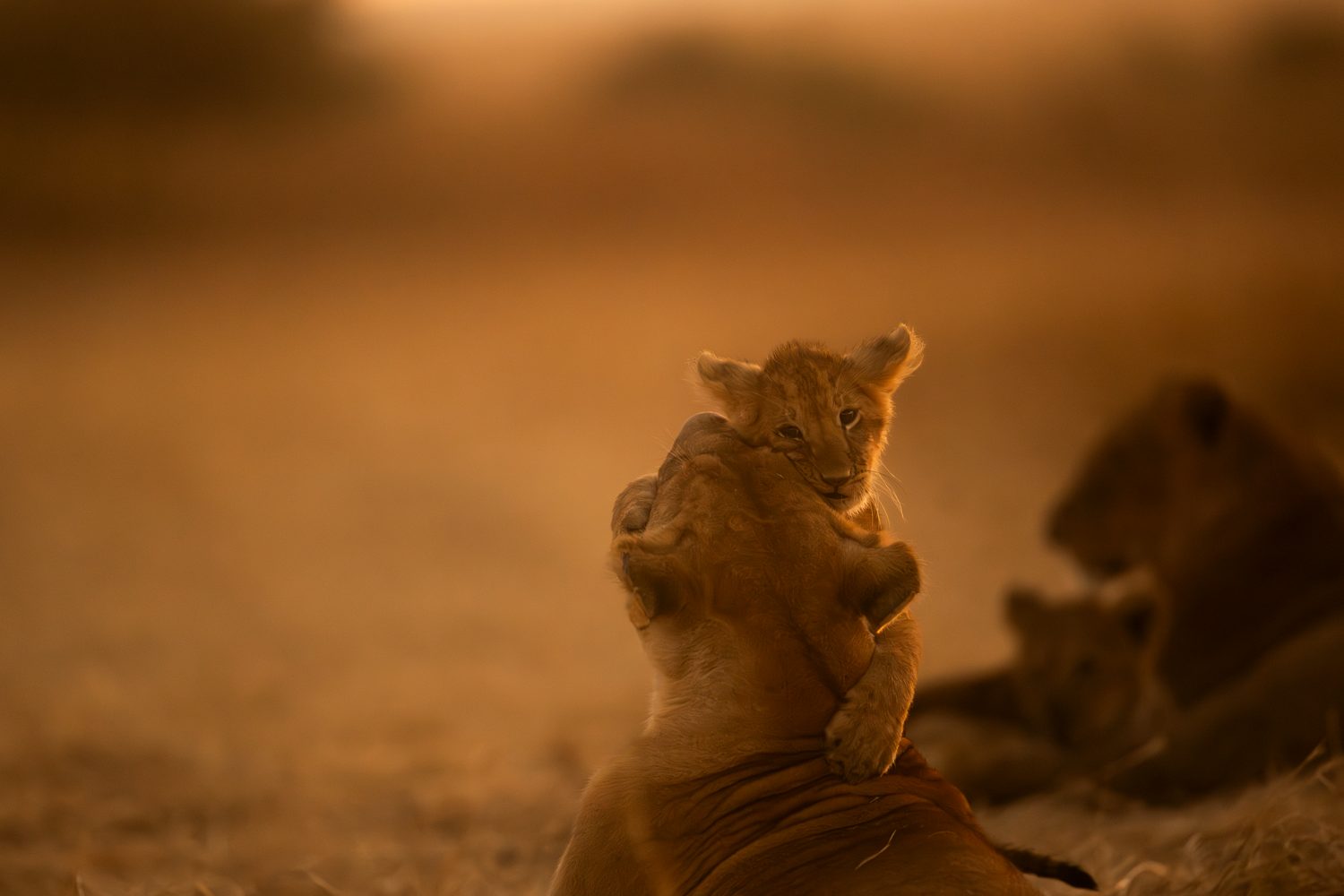
Calving fills the plains with the young — and the predators that follow. Patience is what finds the tenderness, here a cub folded into its mother in the dust.
Eye level · backlight the dust · wait for the gesture
09
The quiet, high-key frame
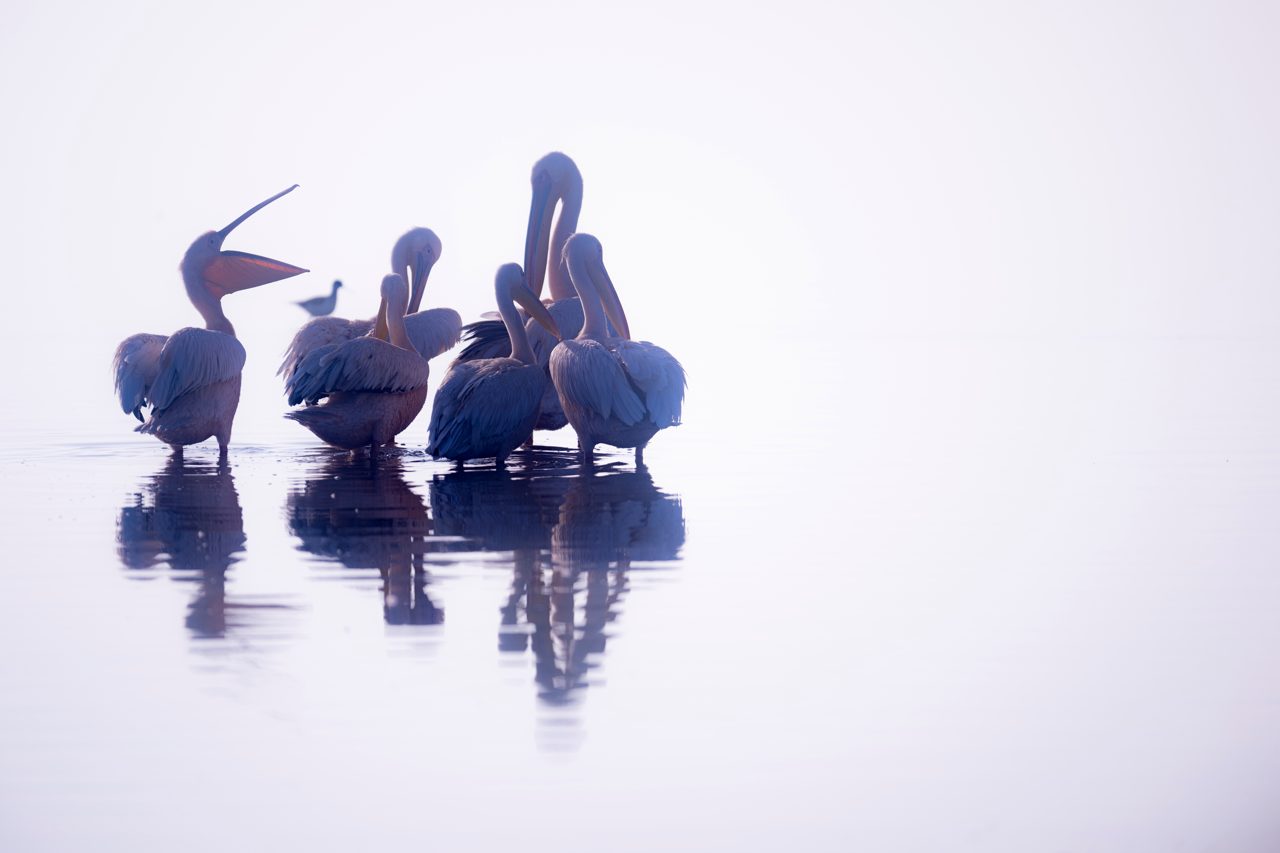
The Minimalist Shot
The quiet, high-key frame
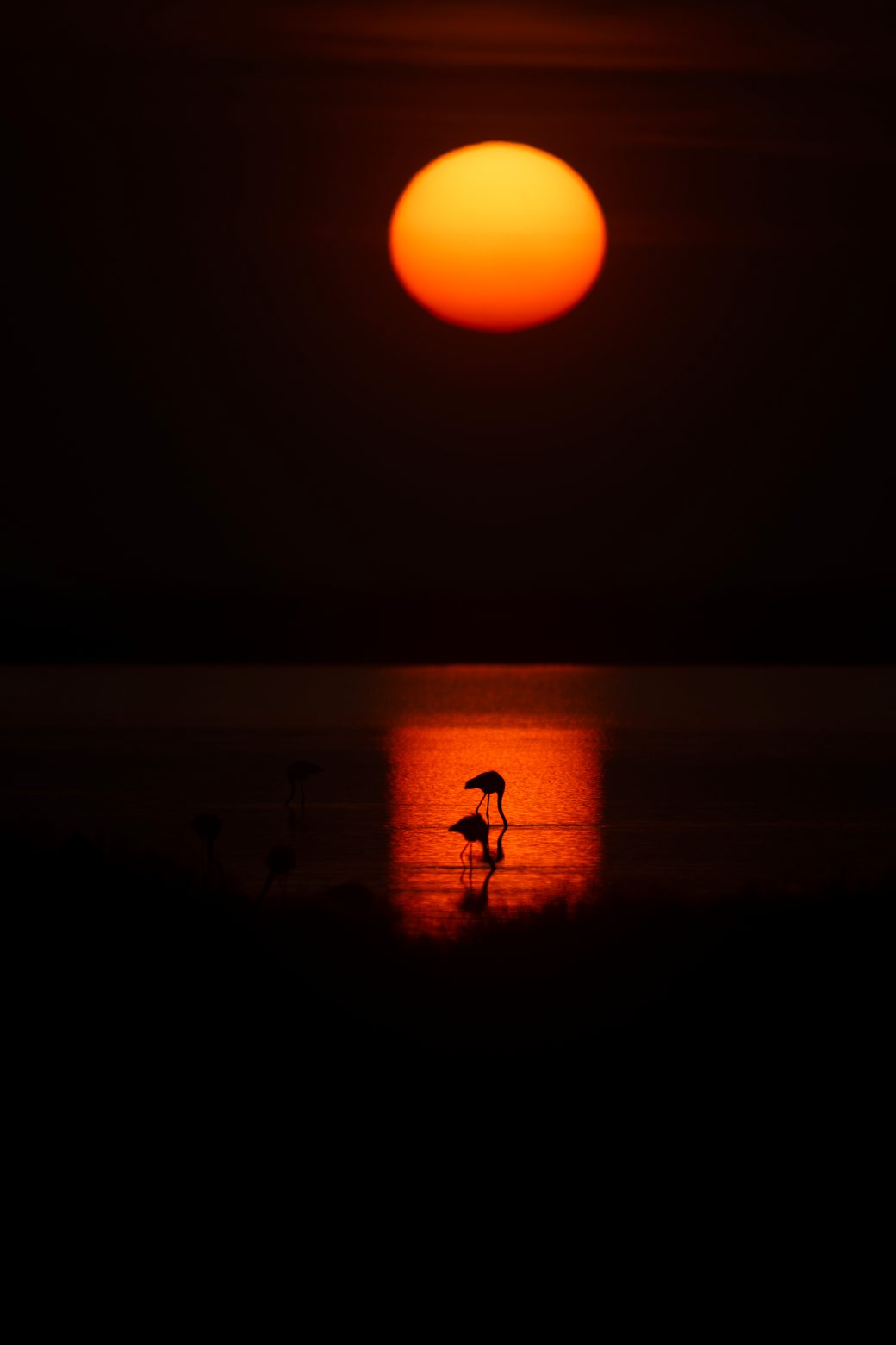
Not every Mara picture roars. A raft of birds on still water, the world bled to white — proof the plains reward a quiet eye too.
High key · minimal · expose for the water
10
Last light
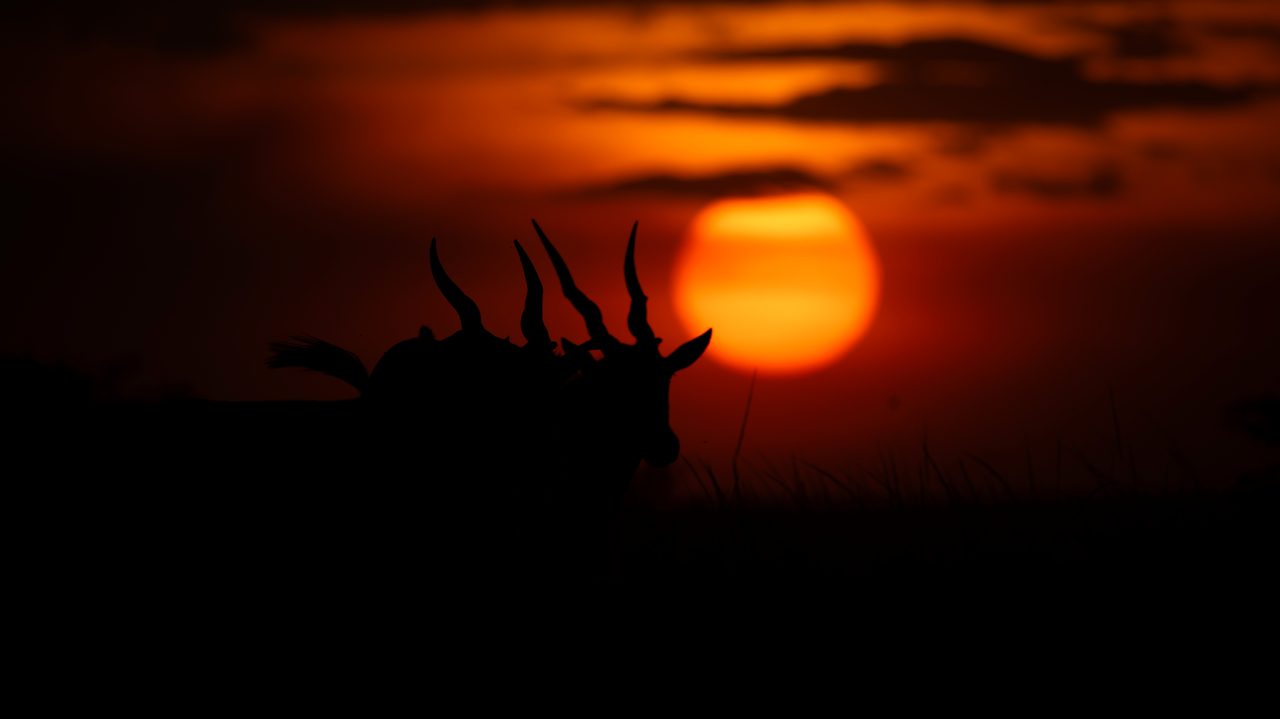
The Into the Sun Shot
Last light
Stay out past the others. Place the sun on purpose, and let a single acacia carry the whole frame.
Underexpose to shape · sun off-centre · let one tree lead
Go where others don't
Look where no one's looking
Everyone comes to the Mara for cats. Almost no one comes for these — which is exactly why the maker should.
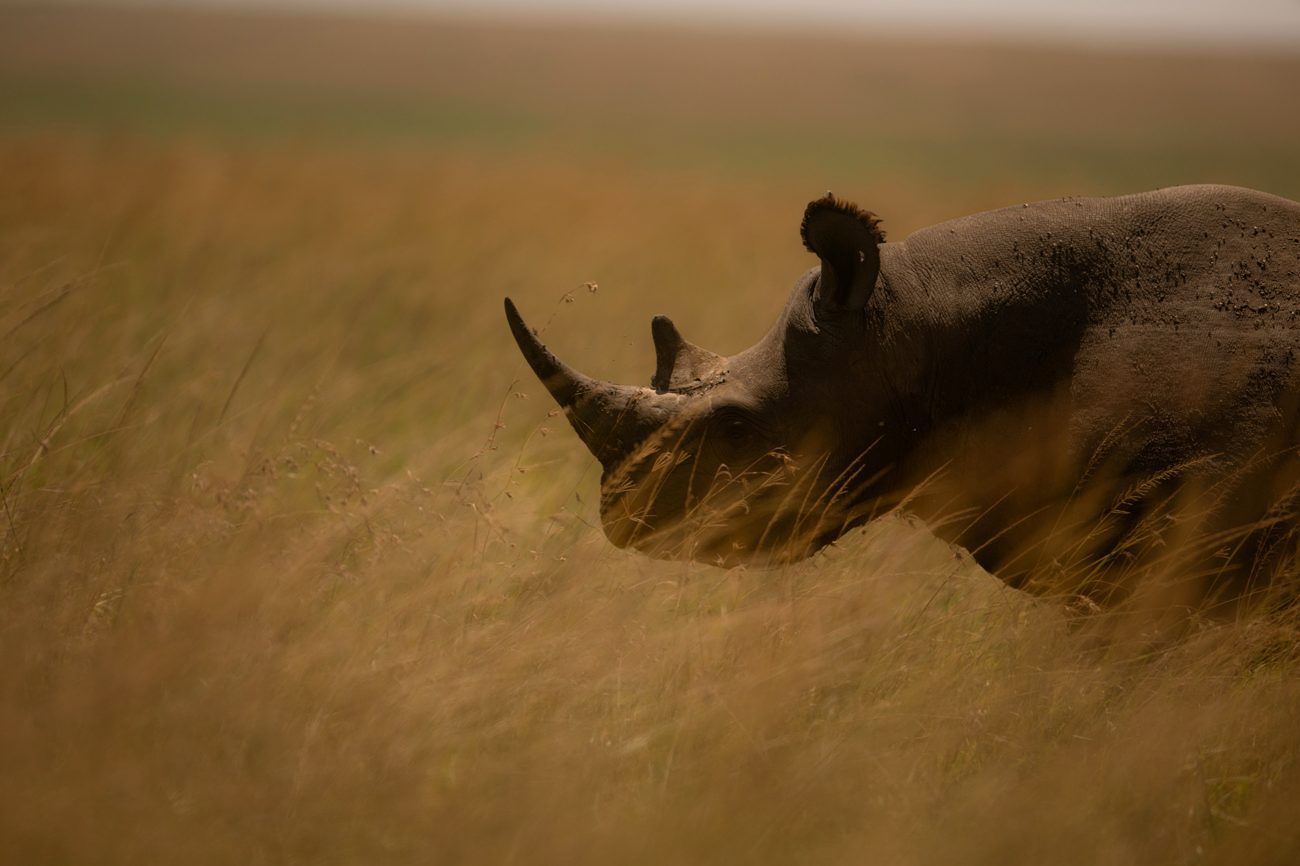
The black rhino
The black rhinoRare, wary, and almost never photographed well here — a frame most visitors never even attempt.
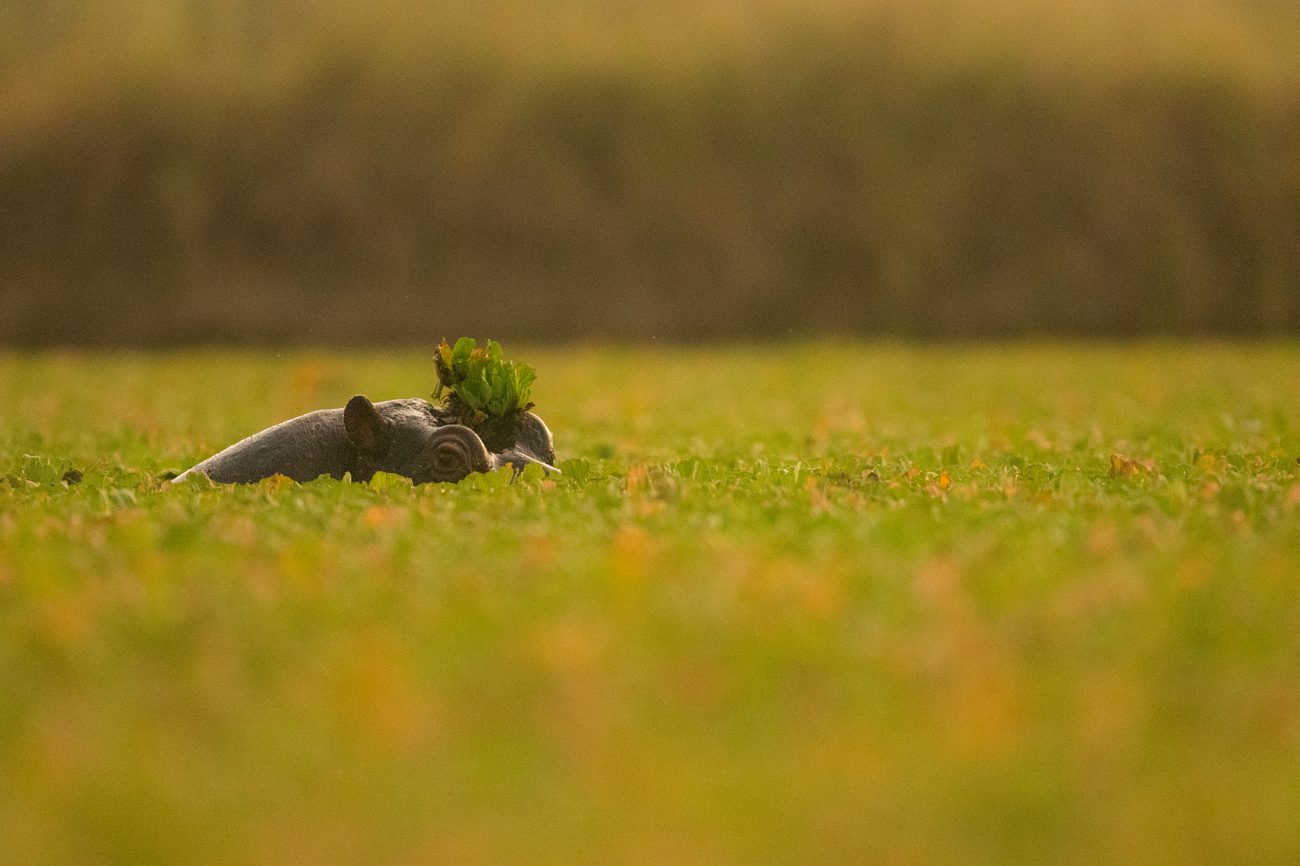
A hippo on the green
A hippo on the greenOut of the water, on the open plain — far from the yawning cliché, and a sight almost no one bothers to frame.

Gear for this place

Make two frames of everything — the portrait, and the habitat

For the hunt, a fast telephoto zoom beats a prime — a 70–200 and a 150–600 give you reach you can recompose in a heartbeat, because the chase will not hold still. Keep a 24–70 on a second body for sunrise, sunset, and the habitat frames that place the animal in its world — and a 14mm for the night sky and the widest land. Always make both: the portrait and the habitat. Carry an ND filter for the long lens, too: a slow shutter on the 70–200 turns a big herd into a blur of motion around the few that hold still — the frame no one else on the plain is making. And to get ahead of the pack, put the lens on the ground — a low reverse monopod and a remote trigger set the camera at the animal's own eye level, in the dust, without putting you there.

Questions to ask your guide

A good guide is half the making. Ask for the picture, by name, before you set out.
  • Can we leave in time for first light — and pack breakfast to eat in the field, so we are out for the first rays and the first interactions?
  • Lions rest twenty hours of twenty-four. Can we reach a big pride at dawn, while the cubs are still playing?
  • How many people per vehicle — and do I get a window seat that is mine for the whole drive?
  • You know we carry long lenses, yes? So we never need to crowd an animal the way a phone or a wide angle would — we need the right light, eye level, and a read on its path, not proximity.
  • Will you position for back-light — the sun behind the animal — and read the path so we see the face, not the tail?
  • Are you willing to wait past the good light for the great moment?
  • At camp — are there good lone trees on open ground we can use as foregrounds for the night sky?
Field-readiness
There is no bad weather, only bad clothing
The plains are cold before the sun and full of dust after it. Do not lose the morning's best frame because your hands stopped working. The critical few:
Warm layersThe dawn plain is cold, and you will sit still in it for hours. A windproof shell and a warm hat keep you shooting when the light finally turns.
Gloves you can shoot inThe morning you cannot feel the dial is the morning you miss the cubs. Thin, grippy, and dial-friendly.
Dust defenceA buff for your face, rain-covers or bags for the bodies, a blower and sensor care. The plains are dust — protect the glass and the sensor.
For the night skyA red-mode headlamp (keep your night vision, and your neighbour's frame), a warm layer, and something to sit or lie on.
Quiet, neutral coloursNothing bright, nothing that rustles. Keep the animals relaxed and yourself invisible.
Power & cards, doubledCold eats batteries and the action fills cards. Carry twice what you think, charged the night before.
Lions rest twenty of twenty-four hours — so reach a big pride at first light, when the cubs are still awake and the whole family is in play.
Respect comes first

Distance first, always. No baiting, no luring, no crowding a sighting, no driving off-road where it is not allowed. Know the drone law before you pack one. The animal's morning matters more than your frame.

Explore

Plan your own location the same way

This is one of three guides we made by hand. Tell the planner any place on earth, and it builds you the same: ten shots, the light, the gear, the questions — a Field Brief to carry into the bush.

Plan your location →
Pro & Premium · the Photo Trip Planner