You don't visit Iceland.
You go to make ten photographs.
A photographer's plan for the puffin cliffs, the braided rivers from the air, and the winter sky — and the weather that makes or breaks every frame.
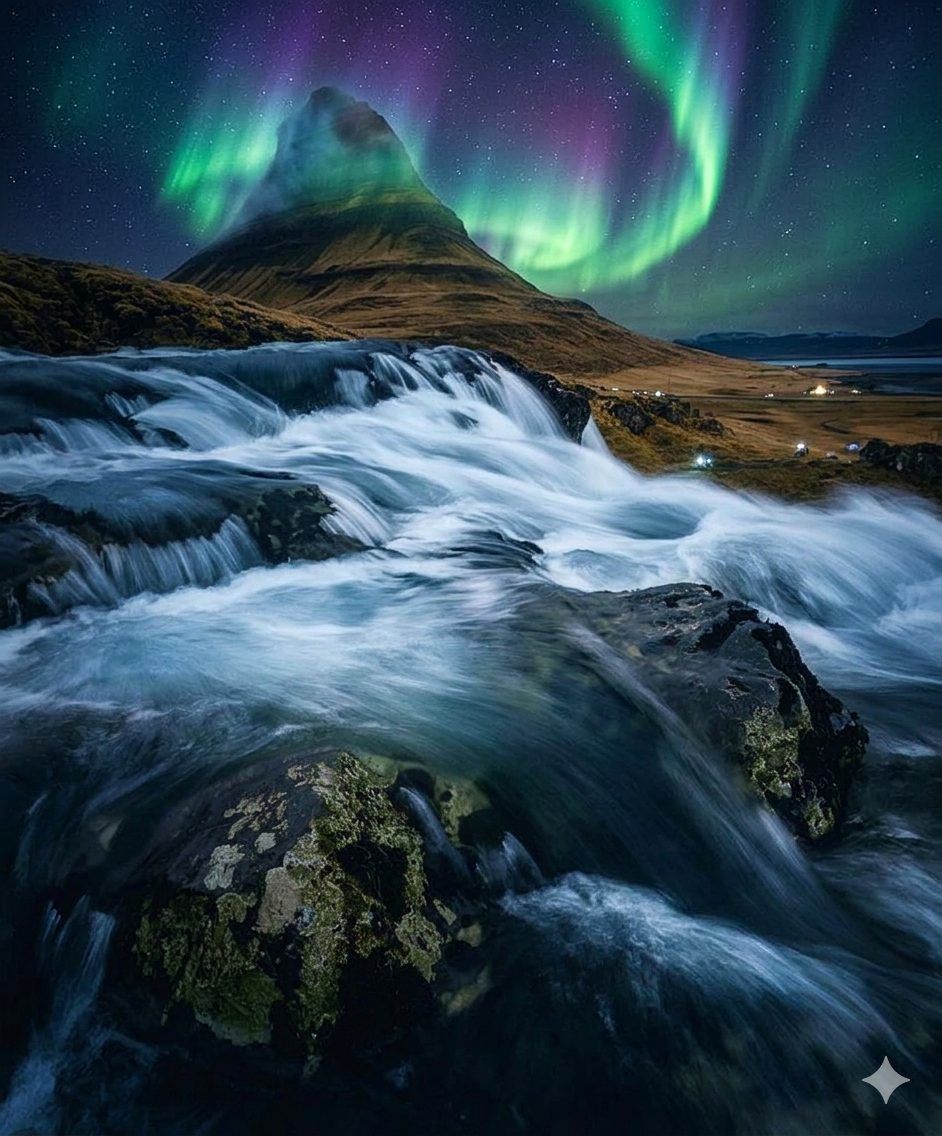
Iceland is two countries wearing one name. In summer the puffins crowd the cliffs and the sun refuses to set; in winter the birds are gone and the sky burns green. A maker does not come for both at once — you choose your Iceland, and you come ready for the weather that defines it.
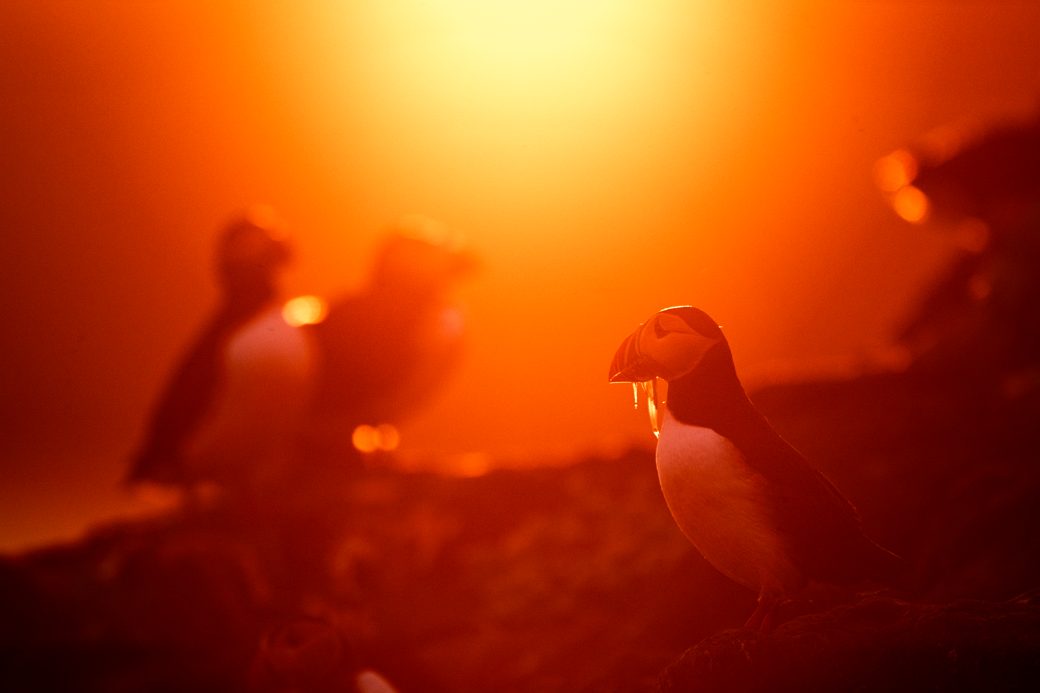
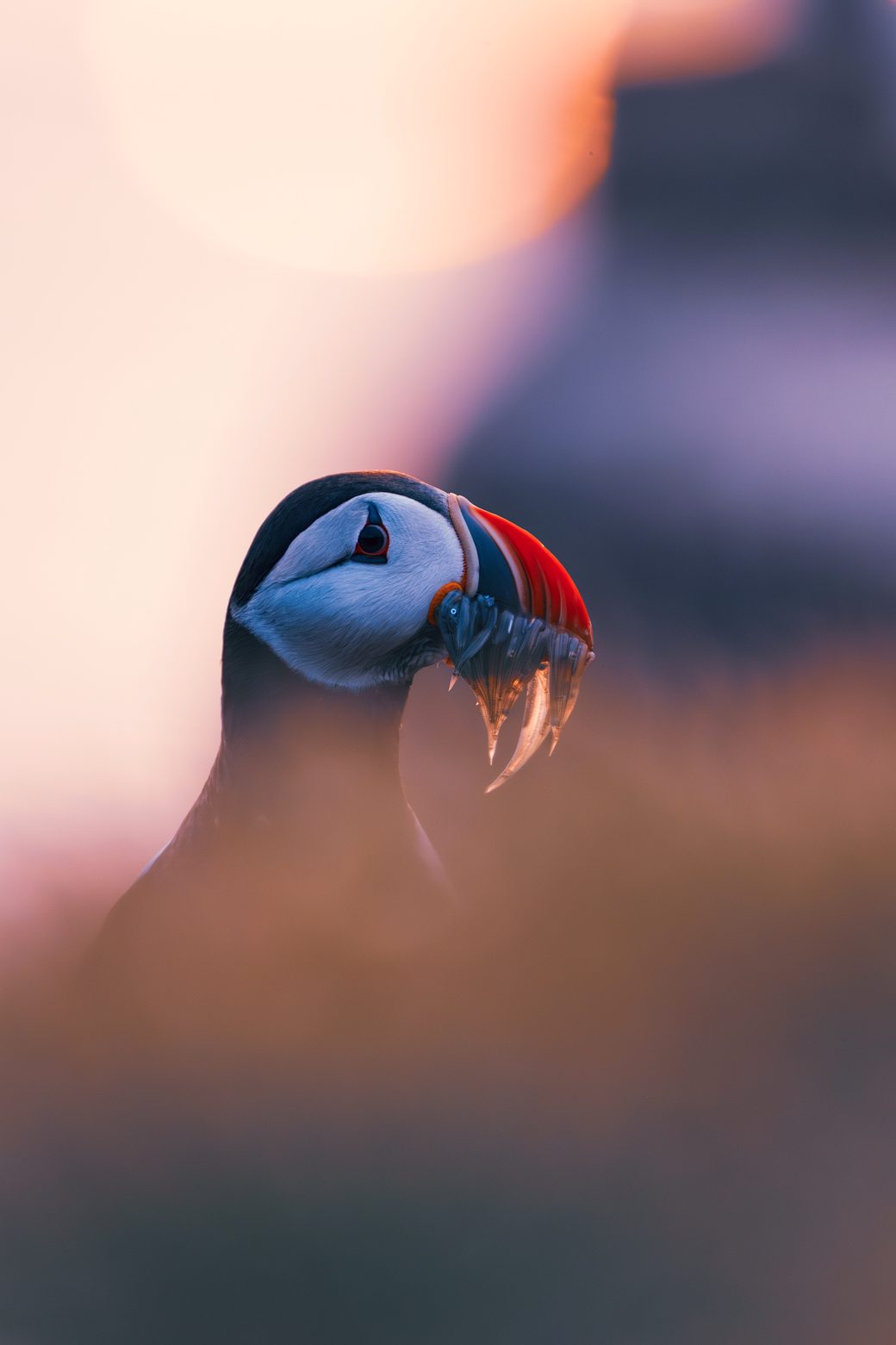
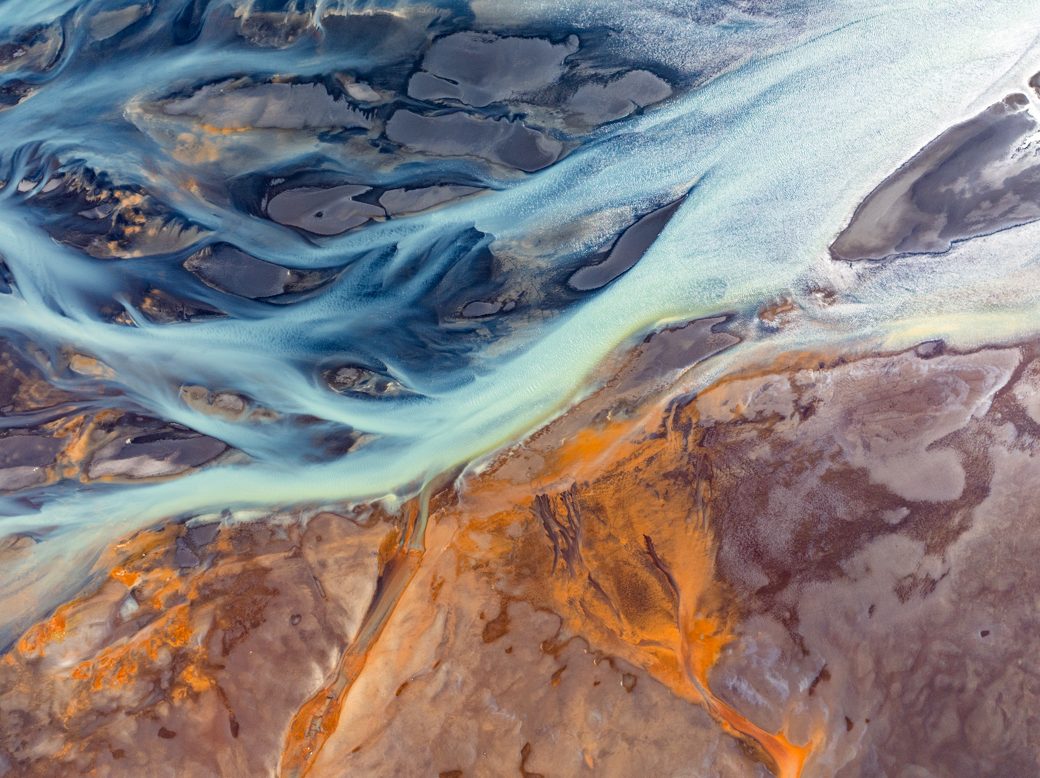
Summer · May–Aug
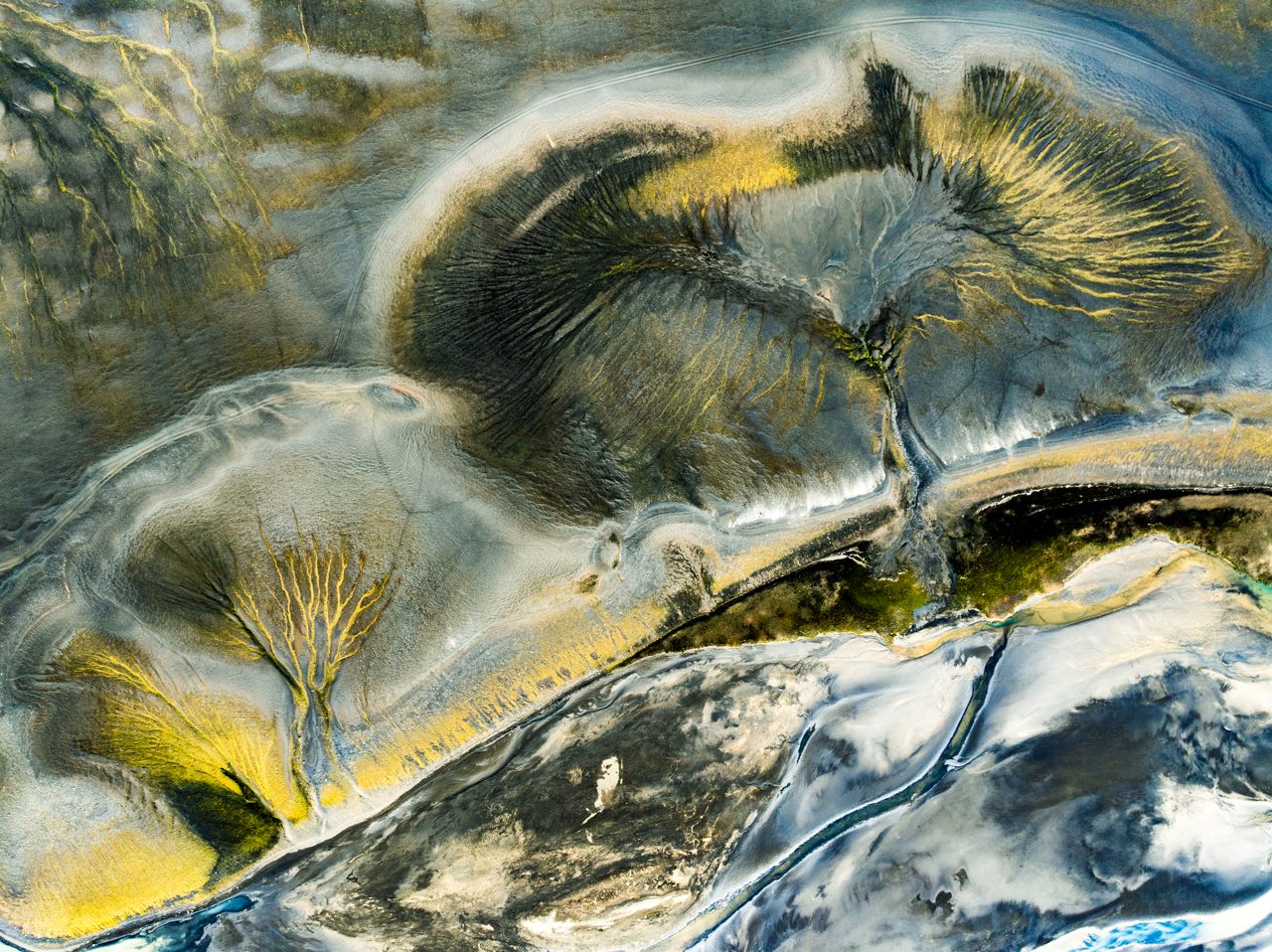
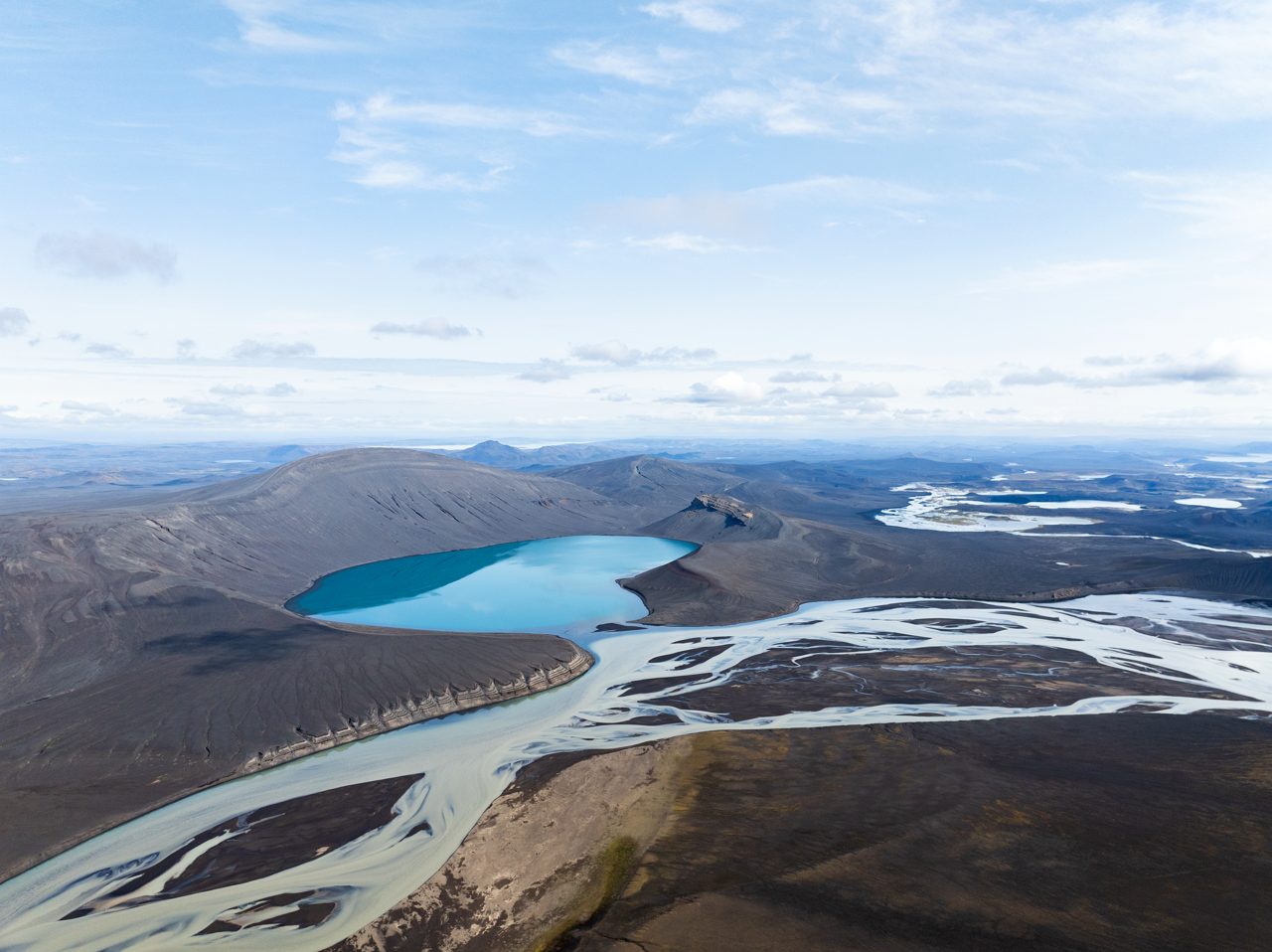
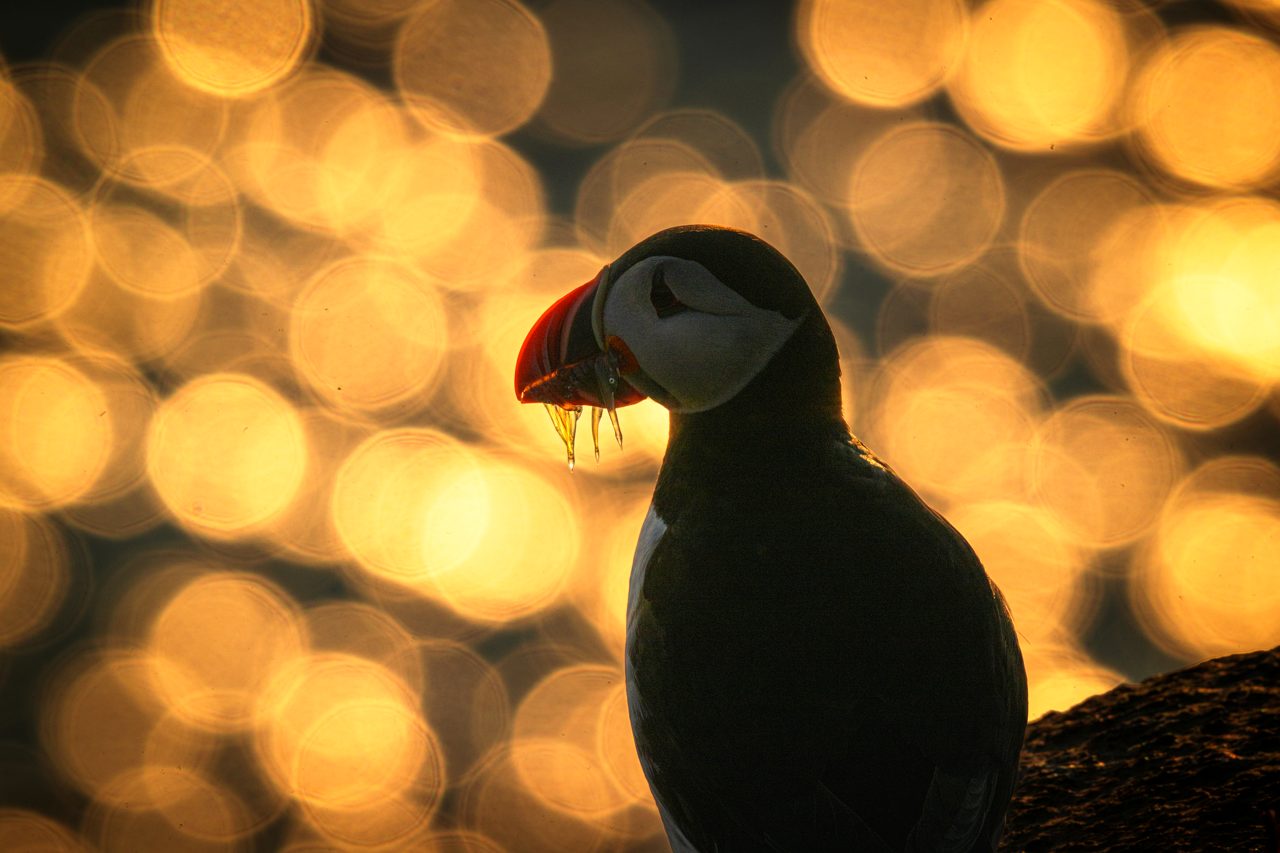
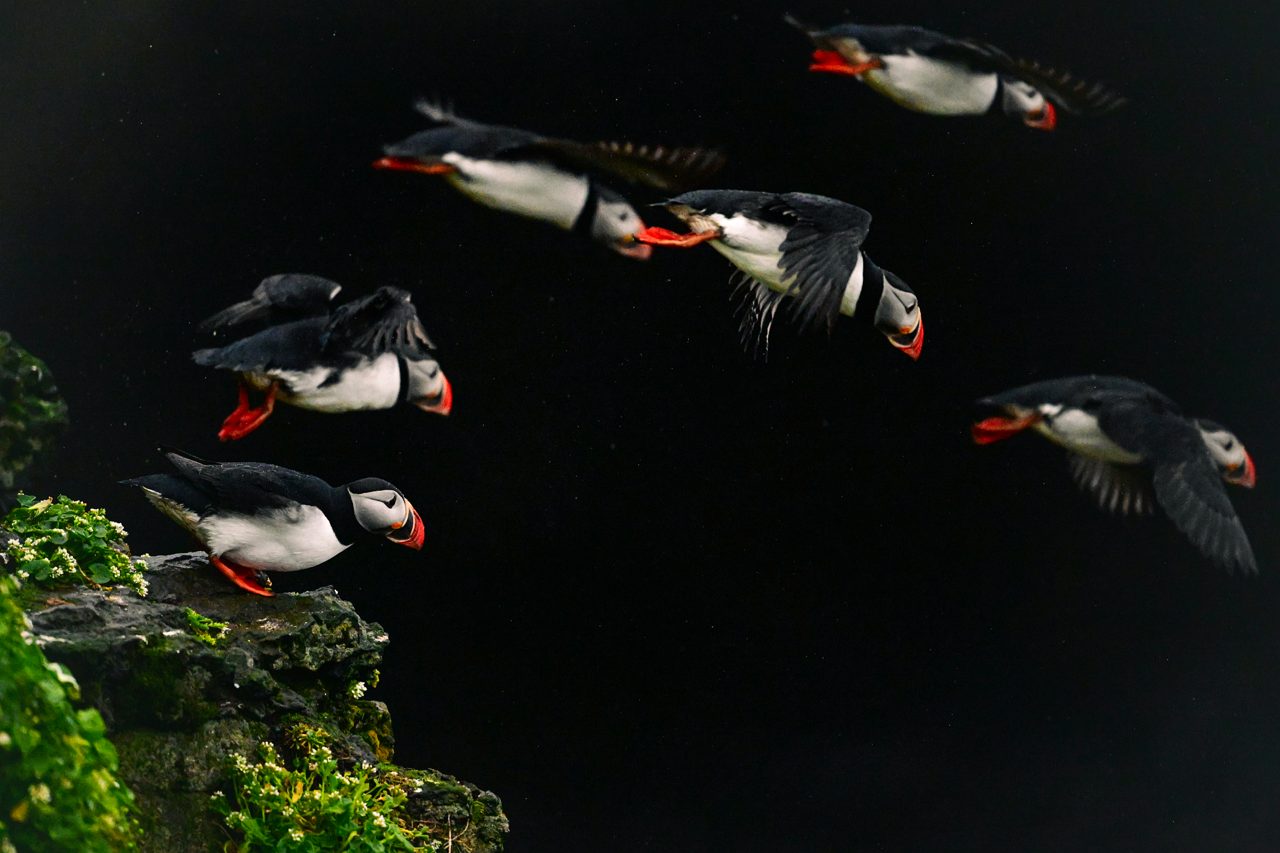
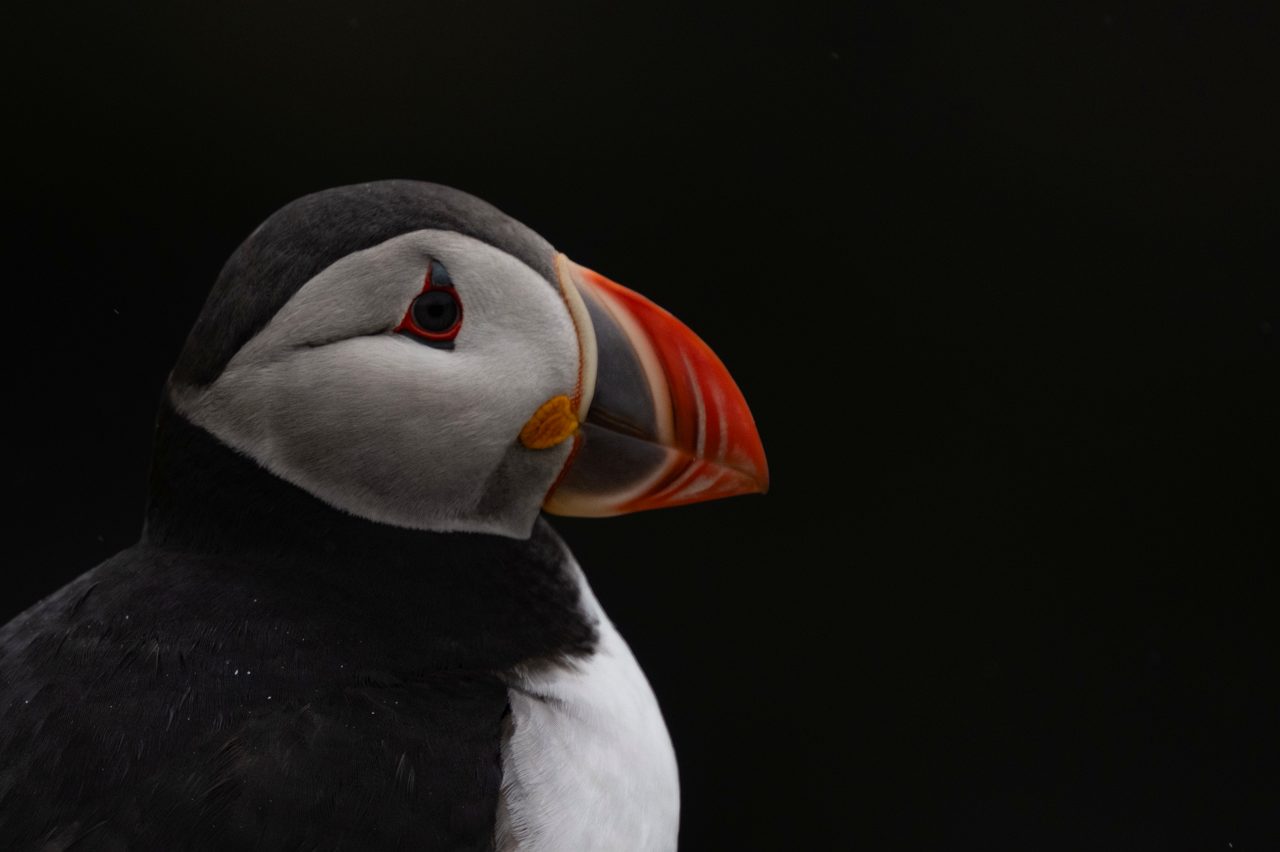
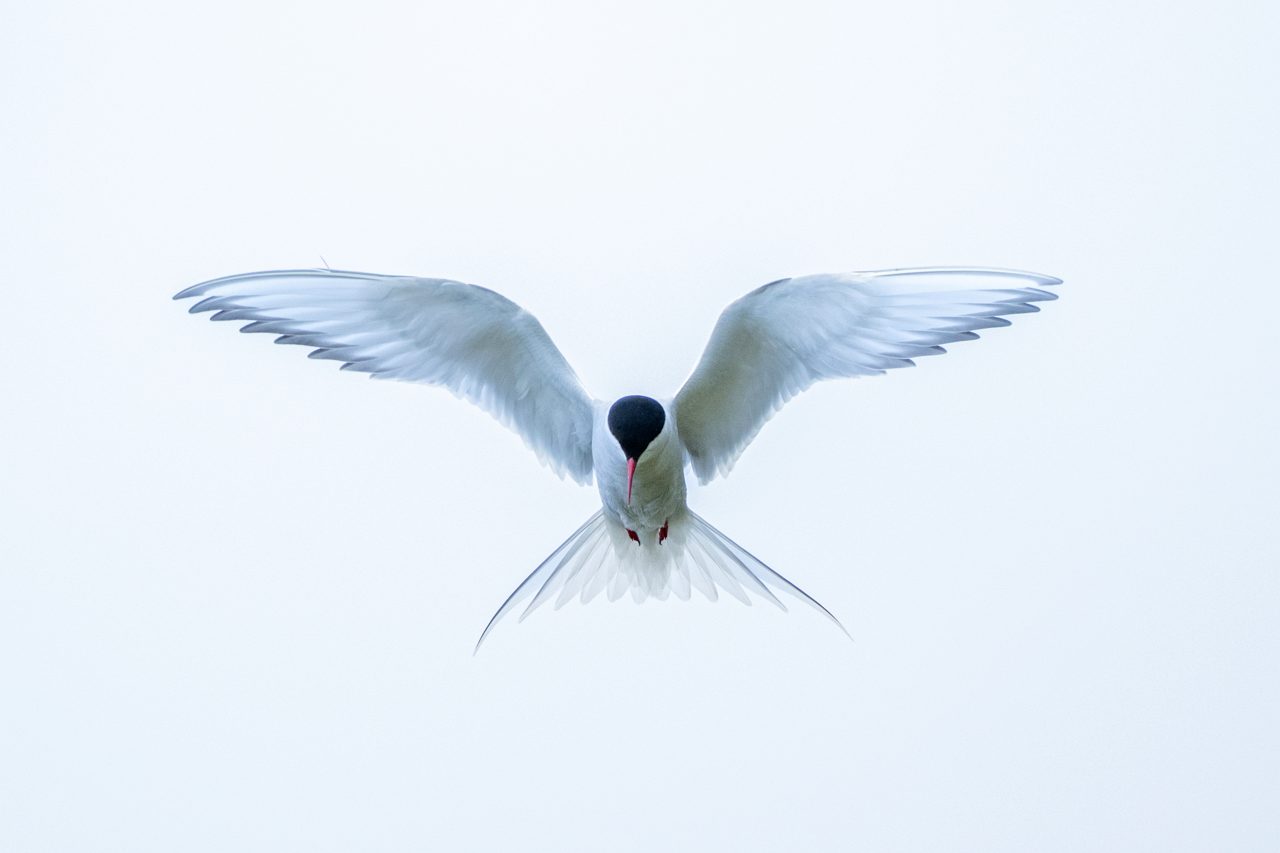
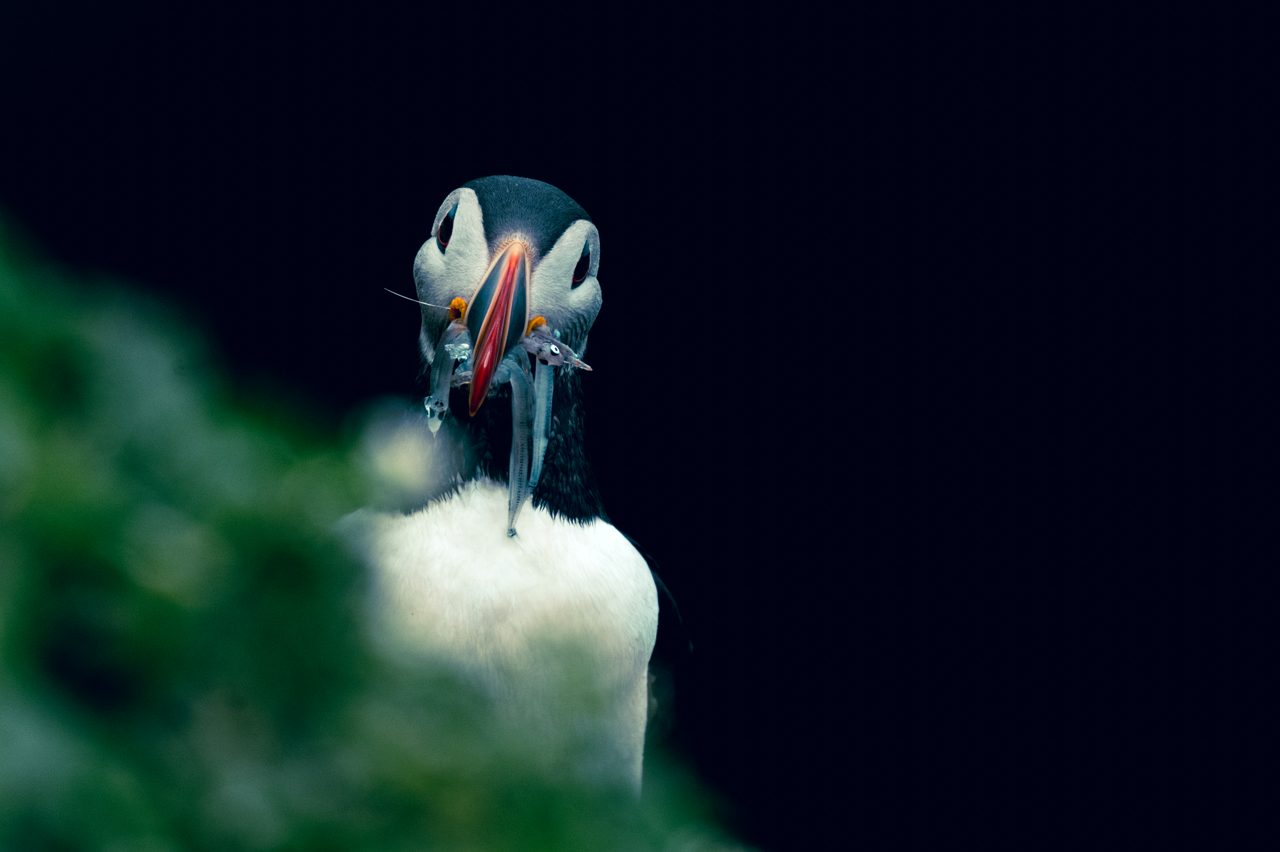
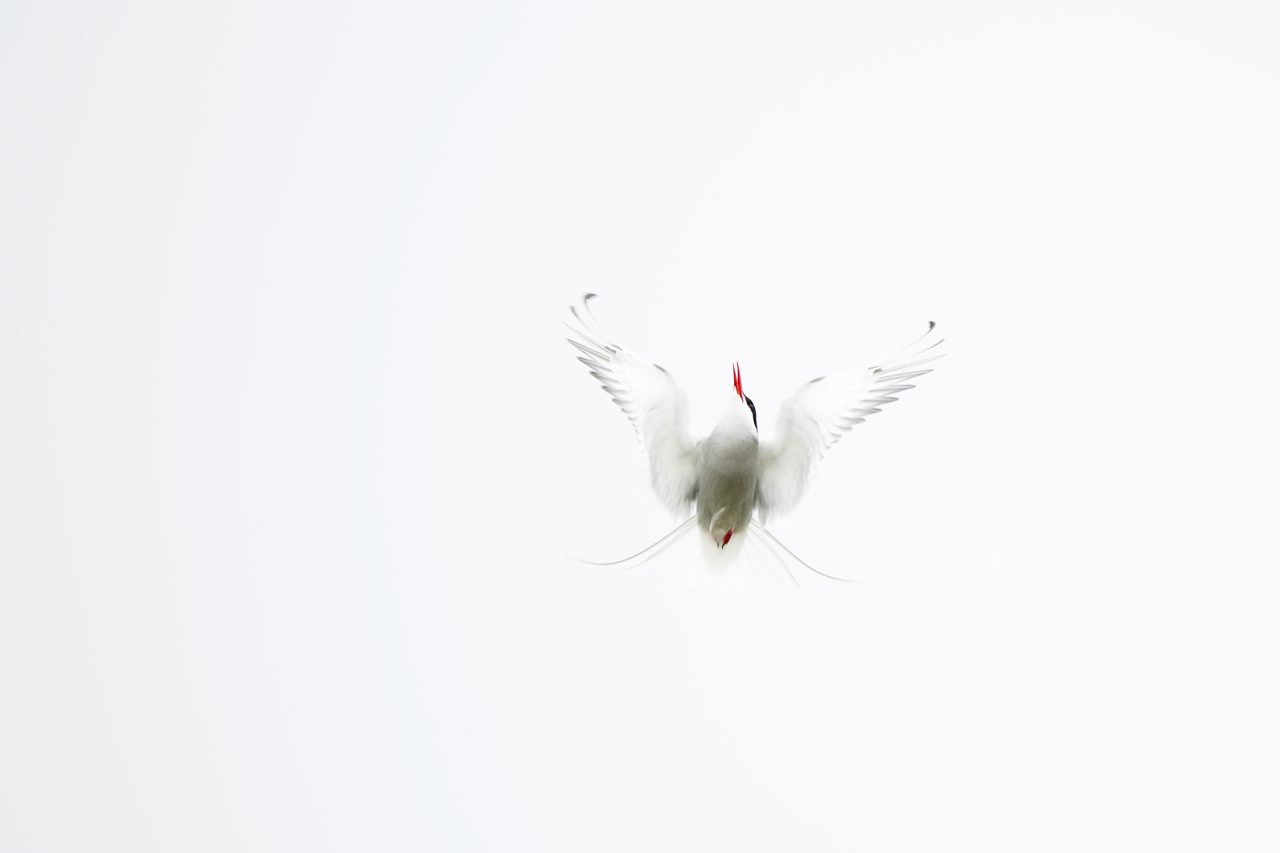
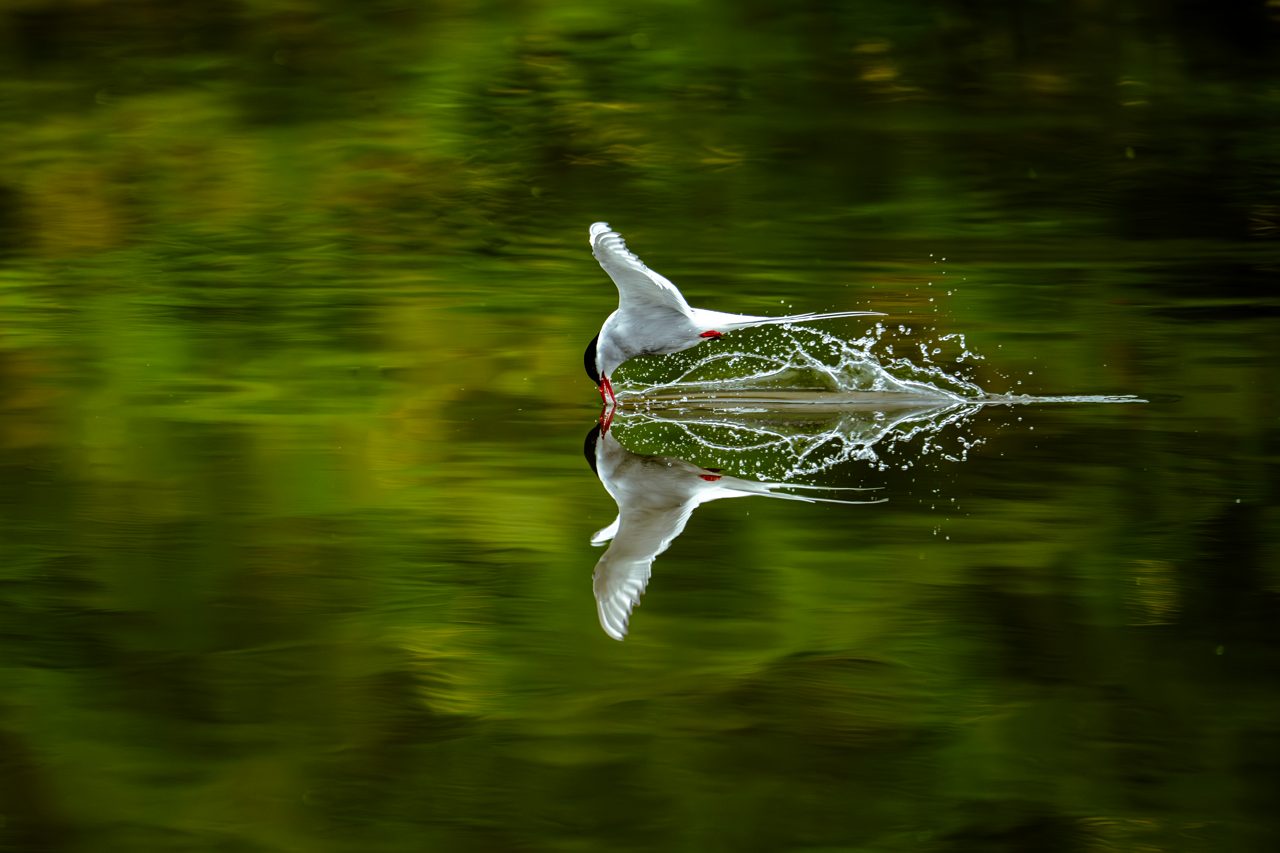
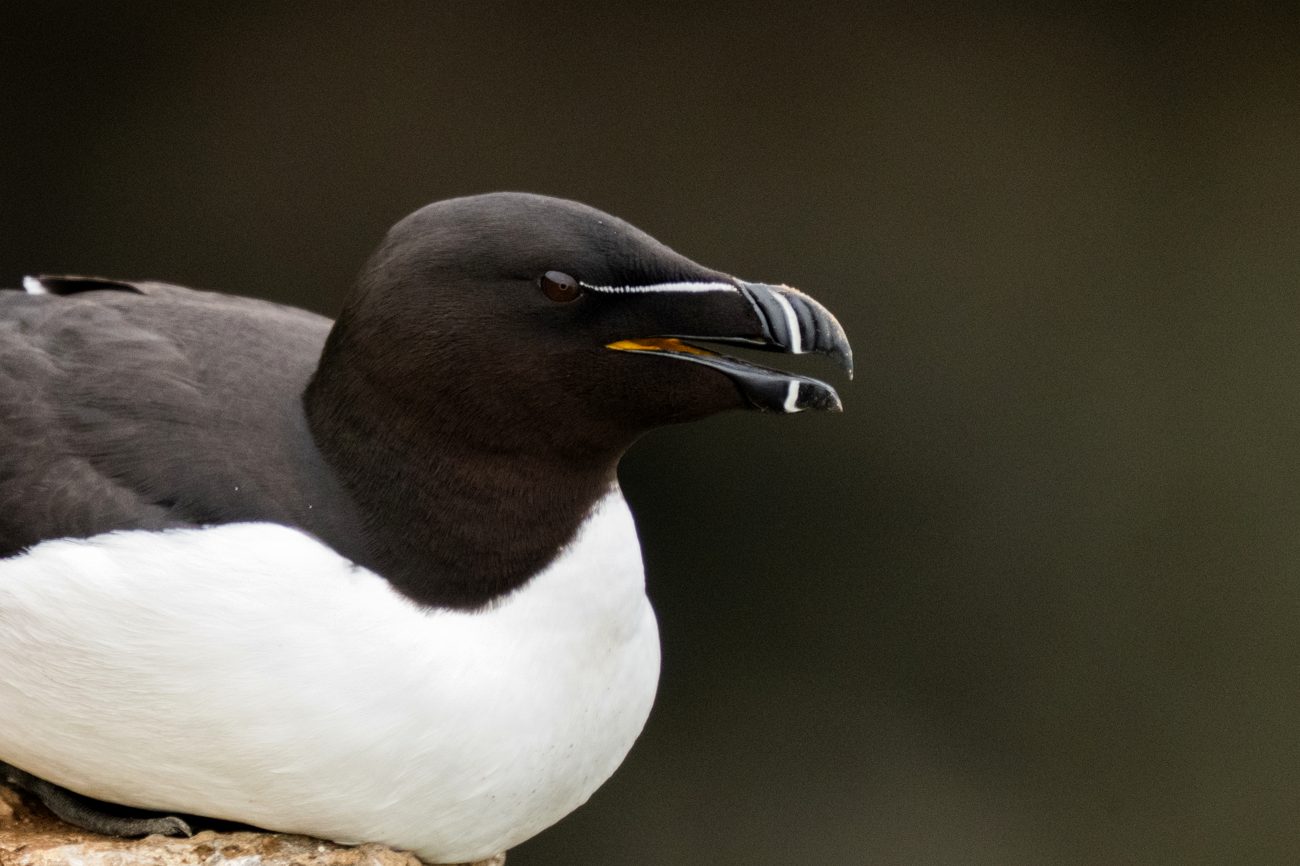
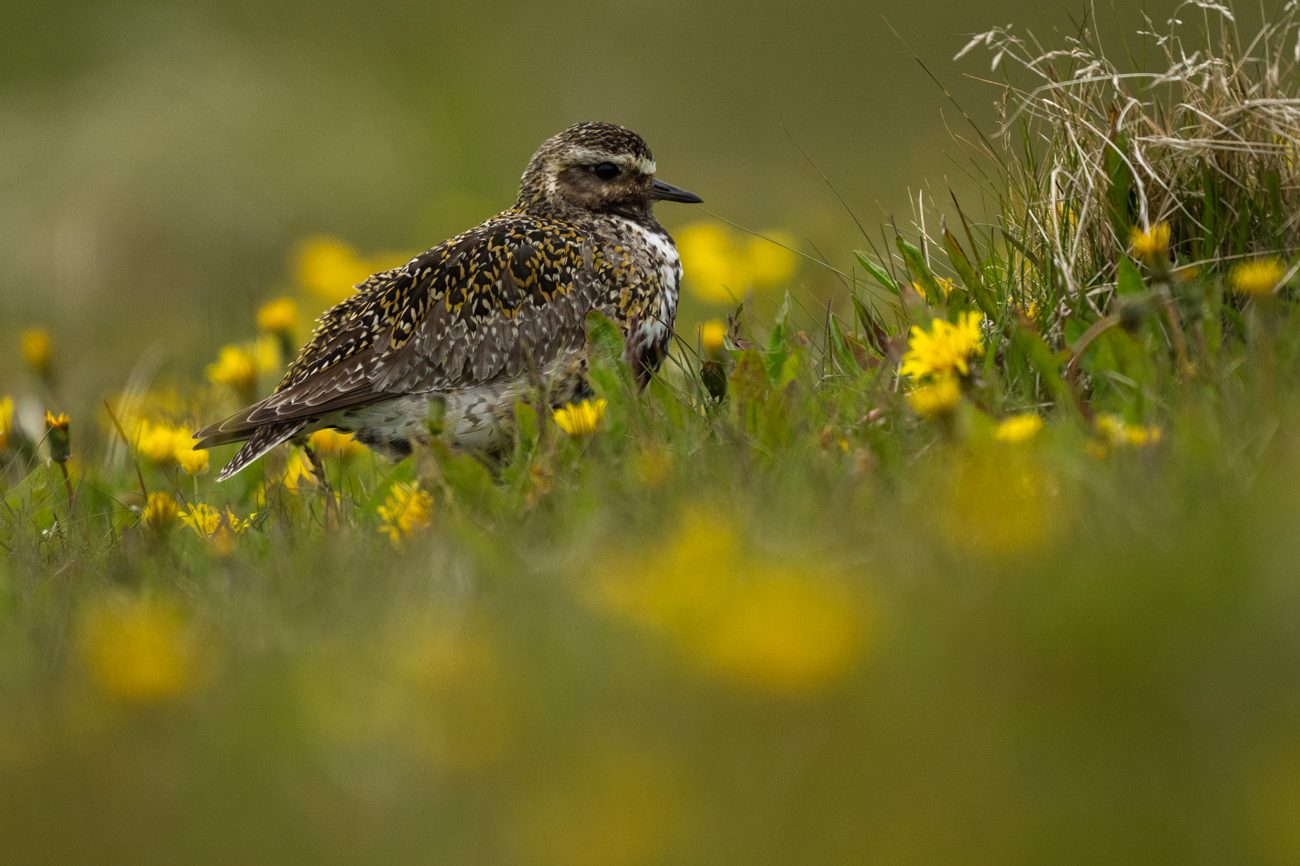
The puffins crowd the cliffs, the terns wheel overhead, and the sun rolls along the horizon for most of the night. This is the window for the seabirds, the midnight light, and the braided rivers from the air. These photographs were made here.
Winter · Sep–Mar
The birds are gone and the dark returns — and with it the aurora, the ice, and the long blue hours. A different trip, a different plan; tell the planner and it builds you that one.
Gear for this place
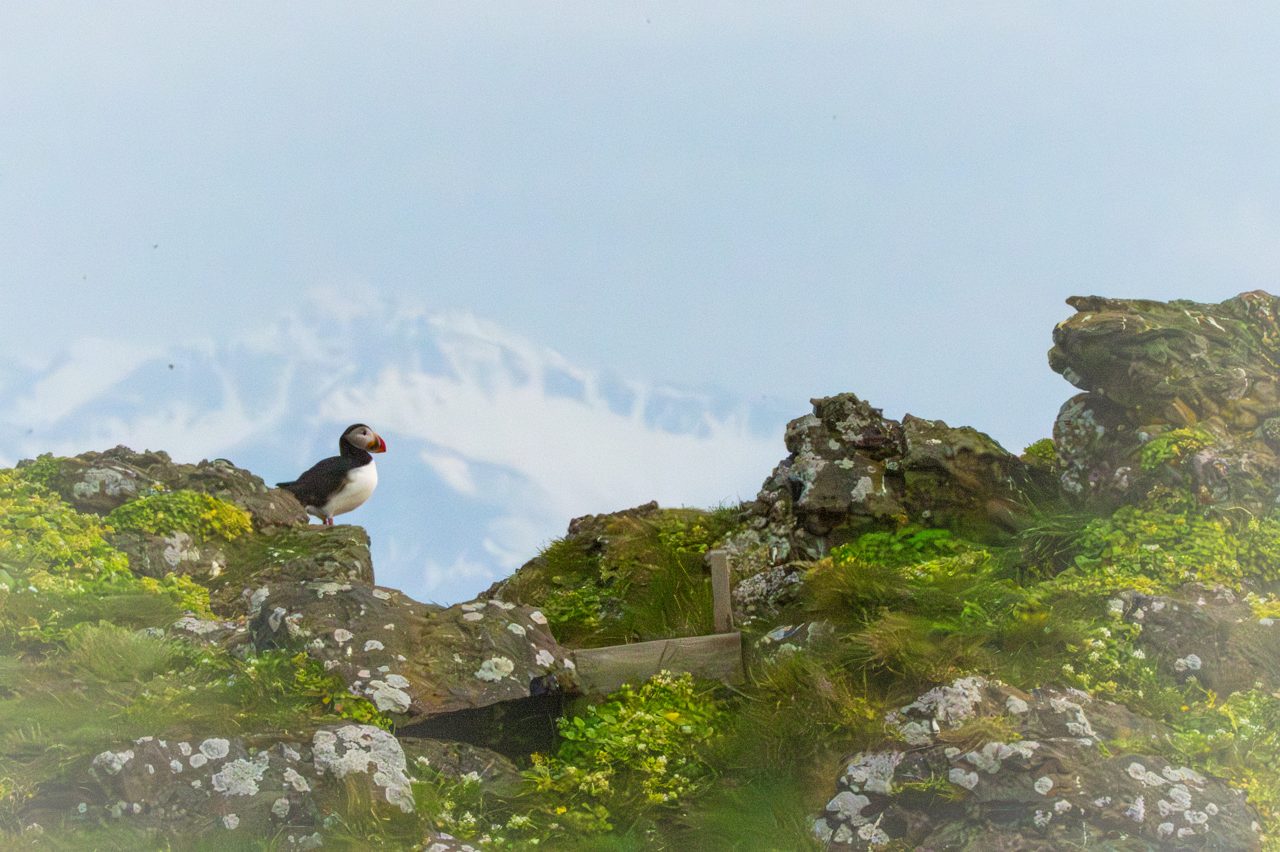
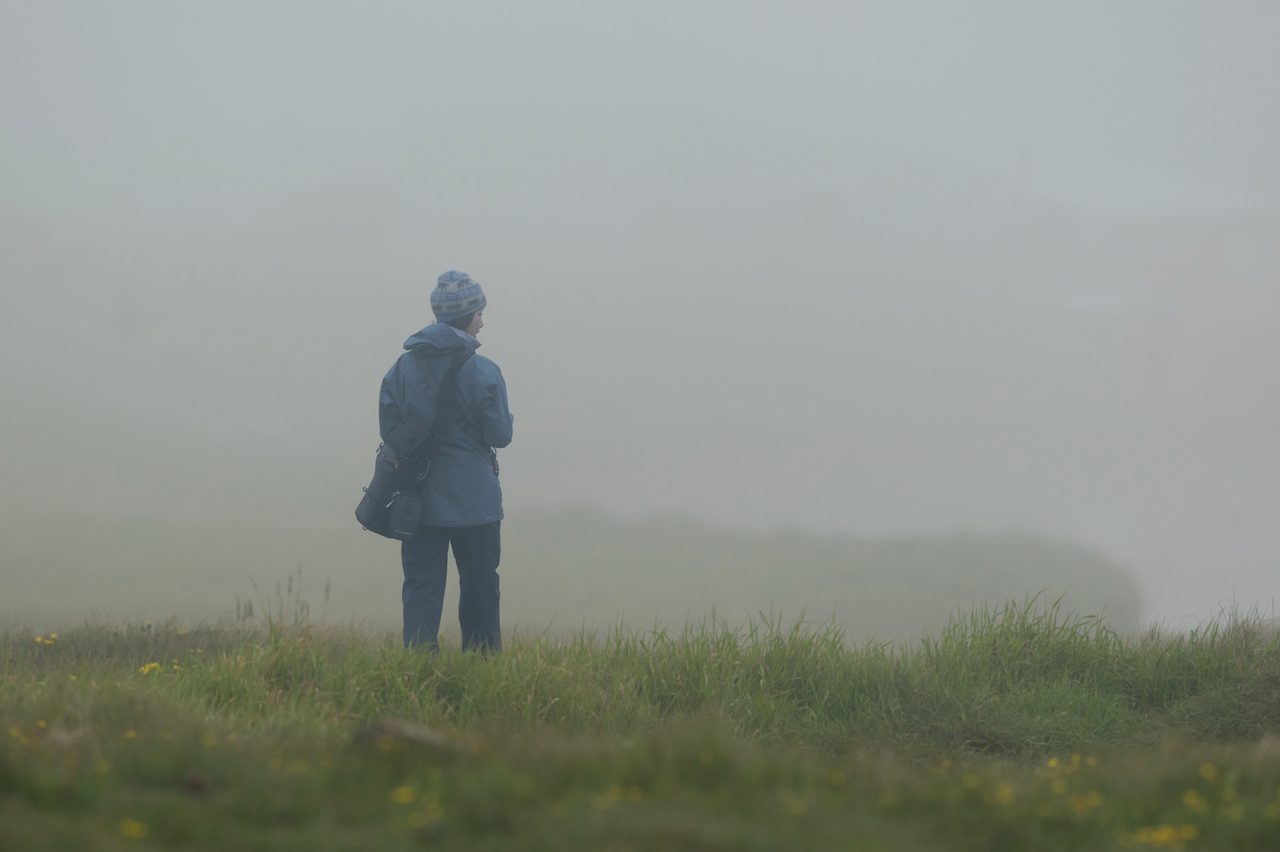
A fast telephoto (500–600) for the puffins and terns, and a tele-zoom for the flight. A wide and a sturdy tripod for the land — and for the aurora a fast wide (f/2.8 or quicker) is non-negotiable. A drone, where the law allows, for the braided rivers from above: Iceland from the air is a different country. Then the unglamorous truth of the place — rain covers, lens cloths, and a way to keep your hands working in the wind. The weather is the subject; dress to outlast it.
Questions to ask your guide
- Which colonies put the puffins at eye level on the cliff-top, with clean backgrounds and the light behind them?
- Can we work the hours either side of midnight in high summer, when the sun rakes low along the horizon?
- Where can I fly a drone legally — and which braided rivers are running with the strongest colour right now?
- For the aurora: which nights, which foregrounds — a waterfall, a peak, a church — and are you watching the forecast?
- Which headlands stay productive in fog and wind, so a grey day still gives us a frame?
- Where are the terns nesting, and how do we work them without flushing or stressing the colony?
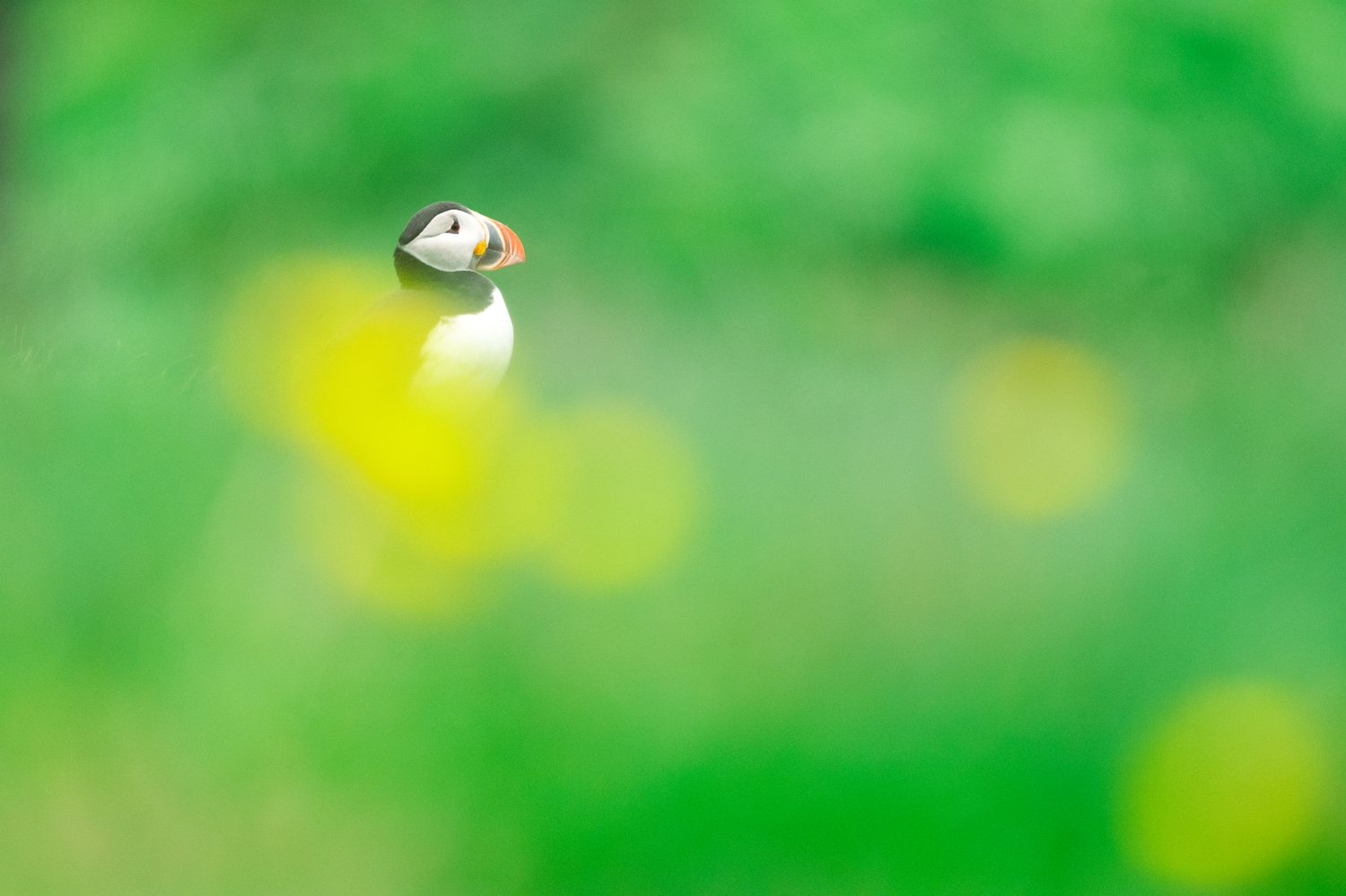
The cliffs are nesting colonies, and a startled bird is an egg or a chick lost to the gulls. Keep low, move slowly, never flush a bird for a flight shot, and stay back from burrow edges — they collapse. Know and obey the drone law: much of Iceland restricts flying near birds and in the national parks. Leave the moss and the sea-pinks as you found them; Icelandic moss takes decades to regrow from a single boot print.
Plan your own location the same way
This is one of three guides we made by hand. Tell the planner any place on earth, and it builds you the same: ten shots, the conditions, the gear, the questions — a Field Brief to carry into the field.
Plan your location →